Cardiff University researchers discovered how a particularly severe form of DNA damage occurs, providing fresh insight into the mechanisms that contribute to cancer and inherited genetic diseases.
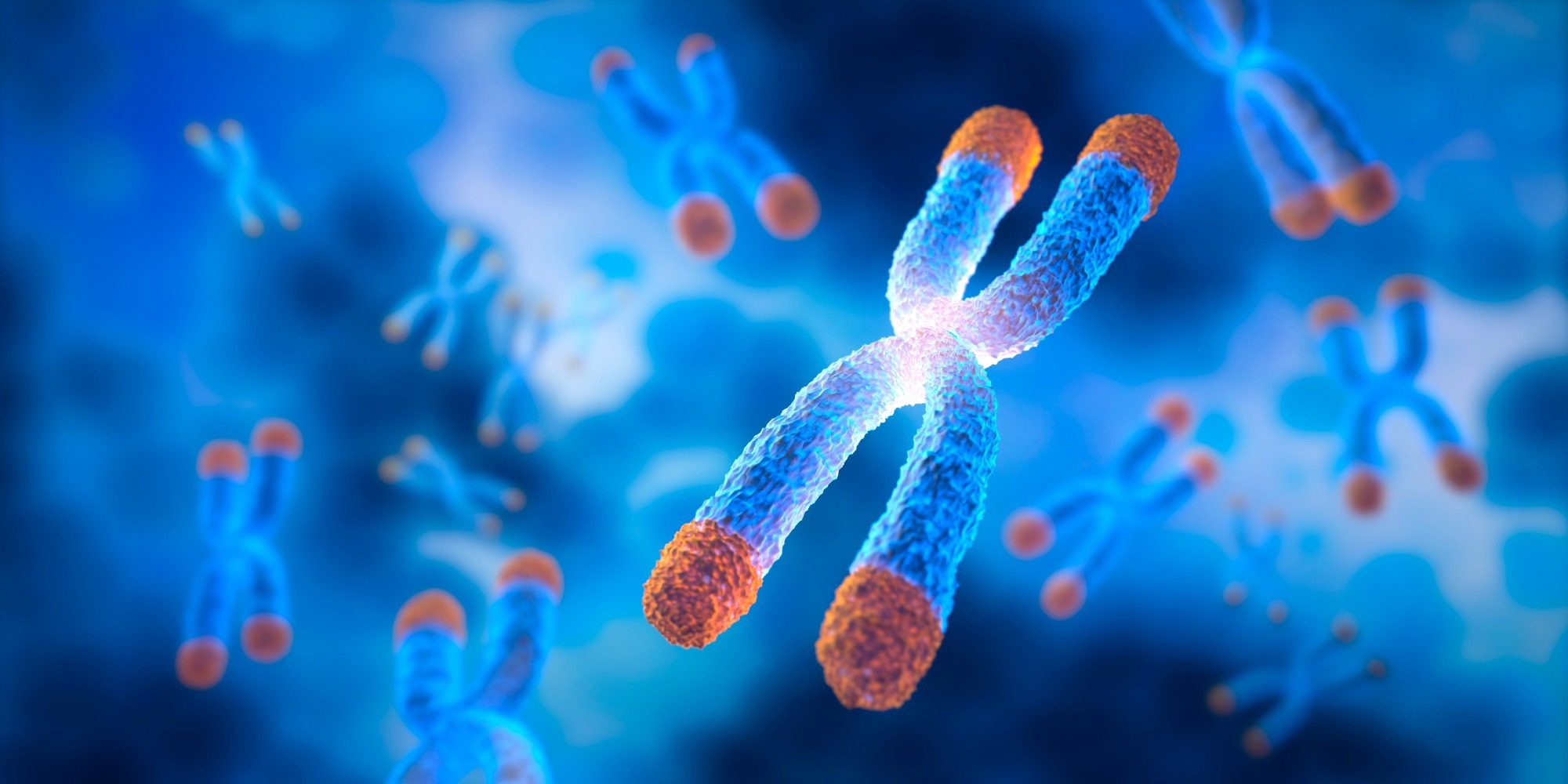 Image credit: peterschreiber.media/Shutterstock.com
The study explains the process of chromoanasynthesis, a catastrophic type of chromosomal rearrangement that results in very complicated mutation patterns.
DNA mutations are a fundamental part of cancer development, disrupting the instructions that normally regulate how cells grow, divide and repair themselves. Chromoanasynthesis is one of the most extreme forms of DNA mutation, involving massive, chaotic restructuring of a chromosome – a phenomenon that has been described as ‘chromosome rebirth’.
Dr. Greg Ngo, Research Fellow, Cardiff University
Dr. Ngo added, “Until now, the biological process driving these mutations had remained unclear.”
Using a sophisticated DNA sequencing technology developed to investigate intricate changes near the ends of chromosomes, known as telomeres, the researchers proved that these mutations occur when DNA breaks during cell division. Rather than fixing the damage cleanly, dividing cells use a repair process that reconnects broken strands using small fragments of matching DNA.
The researchers revealed that two distinct DNA repair mechanisms unexpectedly converge during this process, causing the DNA-copying apparatus to jump wildly around the genome. This can lead to vast regions of DNA being duplicated multiple times, producing the chaotic patterns associated with chromoanasynthesis.
By showing how telomere dysfunction triggers this error-prone repair pathway, we provide a clear explanation for how such dramatic chromosome rearrangements form. Understanding this process is crucial because these events can accelerate cancer development and influence how tumours behave.
Duncan Baird, Professor and Chair, School of Medicine, Cardiff University
The discoveries suggest new avenues for medical research. By identifying the proteins and processes involved, scientists may be able to create medications that directly target these systems. The findings also pave the way for novel diagnostic methods, such as the ability to detect these complex mutation patterns in early-stage disease.
We were astonished by the complexity of the mutations we observed. Because we can now induce and study these events in the lab, we have a powerful system to investigate which repair factors are involved and where potential diagnostic hotspots might lie.
Dr. Greg Ngo, Research Fellow, Cardiff University
Cancer Research UK’s director of research and partnerships, Catherine Elliott, added, “We are proud to support this groundbreaking work from Cardiff University, which uncovers a fascinating new understanding of how chaotic chromosome mutations arise. These insights into chromoanasynthesis mark an important step forward in our mission to unravel the fundamental biology of cancer.”
Elliott concluded, “By identifying the mechanisms that drive these dramatic genetic changes, this research not only deepens our scientific knowledge but also opens up new possibilities for earlier detection and the development of more targeted treatments. We are delighted to have funded a study with such potential to improve outcomes for people affected by cancer.”
Source:
Journal reference:
Ngo, G. H. P. et.al. (2026) Mitotic microhomology-mediated break-induced replication promotes chromoanasynthesis. Nature Communications. DOI: 10.1038/s41467-026-70086-y. https://www.nature.com/articles/s41467-026-70086-y.
 Three-Dimensional Genome Architecture Actively Dictates Phenotypic Novelties in Octopuses