
Written by Sindhrani Dars, Lecturer in Podiatry at the University of South Australia and PhD candidate, with expertise in podiatry services to accompany cancer survivors after receiving chemotherapy.
Global 5-year cancer survival rate for most cancers has improved significantly, reaching as high as 90 % for breast cancer in the USA and around 70 % for colorectal cancer in Southeast Asia1. This can be attributed to the introduction of chemotherapy in the 20th century, following World War I, with numerous combination therapies now available to treat various cancer types.
Chemotherapy targets fast-growing cells, making it effective for most cancers; however, other fast-growing cells in the body, such as hair, nails, and blood cells, are often disadvantaged when receiving chemotherapy. It can also damage the slow or non-dividing cells in the body, such as nerves, leading to Chemotherapy Induced Peripheral Neuropathy (CIPN). Because of these impacts, chemotherapy is often labelled as a ‘double-edged sword’.
Neuropathy is usually caused by chemotherapy used for solid cancers like breast, colorectal, ovarian, and lung cancer, with Taxane and Platinum-based compounds known to have the most impact2. CIPN can present as a sensory, motor, autonomic, or mixed neuropathy, although motor and autonomic symptoms can be acute, generally reported to be rare and subsiding soon after chemotherapy cessation3.
CIPN is therefore predominantly a sensory neuropathy which manifests its effects in a ‘glove and stocking’ pattern, i.e., nerve damage starts from the tips of fingers and toes, spreading to arms and legs4. In its acute stage, it can be severe enough to cause increased time of chemotherapy infusions, a delay in dose delivery, a dose reduction, or complete cessation of chemotherapy, hence compromising survival benefits5. CIPN is known to impact 68 % of chemotherapy recipients at 1 month of chemotherapy and 30 % at 6 months, outlining its persistence and chronic nature6.
 Image credit: Chinnapong/Shutterstock.com
What Does CIPN Look Like?
CIPN is known to be dependent on chemotherapy dose and can present as acute hypersensitivity syndrome as early as during the 1st infusion of chemotherapy. This includes cold and touch-induced neuropathic pain, which is a strong predictor for developing chronic neuropathic pain even after chemotherapy has stopped7. In about 31 to 49 % of cases, chronic neuropathic pain has been known to persist up to 3 years after chemotherapy8.
Along with pain, the sensory symptoms of CIPN may include paraesthesia (tingling, numbness, pins and needles, burning and pressure), allodynia (mild touch/minimal temperature causing hypersensitivity and pain), sensory ataxia (loss of proprioception and coordination), and reduced or lost sensation (unable to detect painful stimuli, temperature change and changes to body’s perception in relation to its surroundings)9,10.
Chronic CIPN has a deteriorating impact on the health-related quality of life as it can lead to functional impairments, changes in walking patterns, reduced mobility, and balance, which increase the risks of falls, weakness, and chronic fatigue. All of these conditions cause inhibition in activities of daily living and lead to a reduction or withdrawal from work 9,11,12.
What is known?
There are no evidence-based prevention measures and no definite conclusions on the efficacy of prevention of different modalities, and limited evidence on non-pharmacological methods. Some pharmacological agents, such as calcium and magnesium supplements, and Glutathione (GSH), have emerging evidence of potential preventive effects13. There is ongoing research on preventive measures such as exercises, acupuncture, cryotherapy with cold gloves and socks, and compression during infusions, with no conclusive evidence at this stage to support any of these interventions.
For treatment, chemotherapy dose reduction or cessation is considered in the current management approach for acute neuropathy that occurs during treatment. For chronic CIPN, again, no conclusive evidence exists to support the efficacy of pharmacological or non-pharmacological treatments.
There is only moderate evidence available on the use of an anti-depressant drug called Duloxetine for the treatment of neuropathic pain caused by CIPN14. Several pharmacological and non-pharmacological management options are under investigation, including various exercises, laser therapies (such as photobiomodulation), scrambler therapy, and various acupuncture modalities. While some symptom relief has been reported with exercise, none of the interventions have strong positive or conclusive evidence of benefit15.
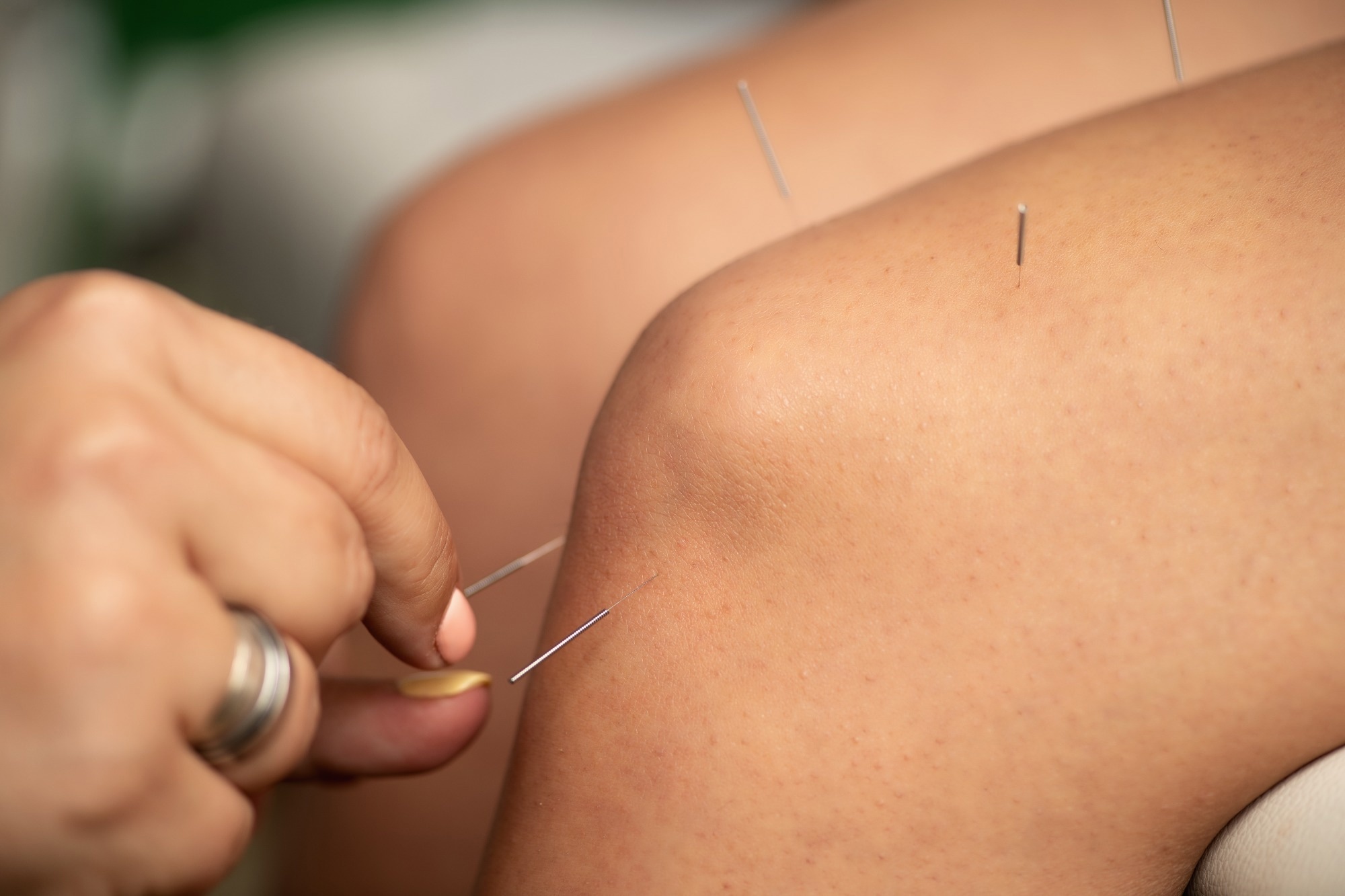
Image credit: Microgen/Shutterstock.com
What Can Help?
As outlined above, in the absence of evidence-based prevention and treatment modalities for CIPN, the best possible approach would be to manage the presenting signs and symptoms that impact the quality of life. There are limited guidelines on management of CIPN, with a recent consensus-based clinical pathway indicating referral to allied health professionals for patients presenting with functional deficits and at risk of falls16.
Podiatrists are registered allied health professionals trained and well-suited for the care of lower limb health. Cancer-related foot care is no exception. Podiatrists are cornerstone practitioners who can assist with assessment and close monitoring of neuropathy progression during chemotherapy. They can also provide evidence-backed education and management for preventing possible lower limb-related complications, such as reduced mobility, increased falls risk, ulcerations, and infections that can be caused by loss of sensation and changes in plantar pressures due to affected gait. Some of these interventions may include education on prevention measures, footwear changes, orthotics to distribute plantar pressures, and wound care.
There are consensus-based recommendations available for podiatry management of Neuropathy In Cancer Survivors17. Aside from direct CIPN-related care, podiatrists are also able to help manage the dermatological presentations common with chemotherapy, including hand-foot syndrome (painful blistering, peeling of skin in hands and feet), nail infections, and all nail changes, including ingrowing toenails, dystrophy, separation from nail bed, discolorations, or bruises under nails.
Despite this, recent evidence suggests underutilisation of podiatry services by people receiving chemotherapy18. This underscores the unmet need of cancer survivors and requires better awareness and referral pathways for the incorporation of podiatry in cancer survivorship care.
As outlined above, podiatrists can help assess, monitor, and manage symptoms related to CIPN and dermatological side-effects of chemotherapy. Including podiatry care at the start of chemotherapy will help as a proactive approach to known implications of CIPN and will ultimately increase the quality of life of those undergoing chemotherapy or living with chronic CIPN.
Disclaimer: This article has not been subjected to peer review and is presented as the personal views of a qualified expert in the subject in accordance with the general terms and conditions of use of the News-Medical.Net website.
References
- Allemani, C., Matsuda, T., Di Carlo, V. et al. (2018) ‘Global surveillance of trends in cancer survival 2000–14 (CONCORD-3): Analysis of individual records for 37,513,025 patients diagnosed with one of 18 cancers from 322 population-based registries in 71 countries’, The Lancet, 391(10125), pp. 1023–1075. DOI:10.1016/S0140-6736(17)33326-3. https://www.thelancet.com/journals/lancet/article/PIIS0140-6736(17)33326-3/abstract
- Balayssac, D., Ferrier, J., Descoeur, J. et al. (2011) ‘Chemotherapy-induced peripheral neuropathies: From clinical relevance to preclinical evidence’, Expert Opinion on Drug Safety, 10(3), pp. 407–417. DOI: 10.1517/14740338.2011.543417. https://pubmed.ncbi.nlm.nih.gov/21210753/
- Miltenburg, N.C. and Boogerd, W. (2014) ‘Chemotherapy-induced neuropathy: A comprehensive survey’, Cancer Treatment Reviews, 40(7), pp. 872–882. DOI:10.1016/j.ctrv.2014.04.004. https://pubmed.ncbi.nlm.nih.gov/21210753/
- Gordon-Williams, R. and Farquhar-Smith, P. (2020) ‘Recent advances in understanding chemotherapy-induced peripheral neuropathy’, F1000Research, 9. DOI:10.12688/f1000research.21625.1. https://f1000research.com/articles/9-177
- Magge, R.S. and DeAngelis, L.M. (2015) ‘The double-edged sword: Neurotoxicity of chemotherapy’, Blood Reviews, 29(2), pp. 93–100. DOI:10.1016/j.blre.2014.09.012. https://www.sciencedirect.com/science/article/abs/pii/S0268960X14000812
- Seretny, M., Currie, G.L., Sena, E.S. et al. (2014) ‘Incidence, prevalence, and predictors of chemotherapy-induced peripheral neuropathy: A systematic review and meta-analysis’, Pain, 155(12), pp. 2461–2470.https://pubmed.ncbi.nlm.nih.gov/25261162/
- Attal, N., Bouhassira, D., Gautron, M. et al. (2009) ‘Thermal hyperalgesia as a marker of oxaliplatin neurotoxicity: A prospective quantified sensory assessment study’, Pain, 144(3), pp. 245–252. DOI:10.1016/j.pain.2009.03.024. https://pubmed.ncbi.nlm.nih.gov/19457614/
- Brozou, V., Vadalouca, A. and Zis, P. (2018) ‘Pain in platin-induced neuropathies: A systematic review and meta-analysis’, Pain Therapy, 7(1), pp. 105–119. DOI:10.1007/s40122-017-0092-3. https://pubmed.ncbi.nlm.nih.gov/29196945/
- Fontes, F., Pereira, S., Castro-Lopes, J.M. and Lunet, N. (2016) ‘A prospective study on the neurological complications of breast cancer and its treatment: Updated analysis three years after cancer diagnosis’, Breast, 29, pp. 31–38. DOI:10.1016/j.breast.2016.06.013. https://www.thebreastonline.com/article/S0960-9776(16)30087-X/abstract
- Colvin, L.A. (2019) ‘Chemotherapy-induced peripheral neuropathy (CIPN): Where are we now?’, Pain, 160(Suppl 1), pp. S1–S10. DOI:10.1097/j.pain.0000000000001540. https://pubmed.ncbi.nlm.nih.gov/31008843/
- Zanville, N., Nudelman, K., Smith, D. et al. (2016) ‘Evaluating the impact of chemotherapy-induced peripheral neuropathy symptoms (CIPN-sx) on perceived ability to work in breast cancer survivors during the first year post-treatment’, Supportive Care in Cancer, 24(11), pp. 4779–4789. DOI:10.1007/s00520-016-3329-5. https://pubmed.ncbi.nlm.nih.gov/27470258/
- Bao, T., Li, S.Q. and Mao, J.J. (2016) ‘Prevalence, risk factors, and sequelae of long-term chemotherapy-induced peripheral neuropathy (CIPN) among breast cancer survivors’, Journal of Clinical Oncology, 34(Suppl 15), ASCO 2016. DOI:10.1200/JCO.2016.34.15_suppl.e21661. https://ascopubs.org/doi/10.1200/JCO.2016.34.15_suppl.e21661
- Peng, S., Ying, A.F., Chan, N.J.H. et al. (2022) ‘Prevention of oxaliplatin-induced peripheral neuropathy: A systematic review and meta-analysis’, Frontiers in Oncology, 12, p. 731223.https://pubmed.ncbi.nlm.nih.gov/35186722/
- Hershman, D.L., Lacchetti, C., Dworkin, R.H. et al. (2014) ‘Prevention and management of chemotherapy-induced peripheral neuropathy in survivors of adult cancers: American Society of Clinical Oncology clinical practice guideline’, Journal of Clinical Oncology, 32(18), pp. 1941–1967. DOI: 10.1200/JCO.2013.54.0914. https://pubmed.ncbi.nlm.nih.gov/24733808/
- Hou, S., Huh, B., Kim, H.K. et al. (2018) ‘Treatment of chemotherapy-induced peripheral neuropathy: Systematic review and recommendations’, Pain Physician, 21(6), p. 571.https://pubmed.ncbi.nlm.nih.gov/30508986/
- Mizrahi, D., Goldstein, D., Kiernan, M.C. et al. (2022) ‘Development and consensus process for a clinical pathway for the assessment and management of chemotherapy-induced peripheral neuropathy’, Supportive Care in Cancer, 30(7), pp. 5965–5974. DOI:10.1007/s00520-022-07024-3. https://pubmed.ncbi.nlm.nih.gov/35394563/
- Dars, S., Buckley, E., Beckmann, K. et al. (2023) ‘Development of the consensus-based recommendations for podiatry care of neuropathy in cancer survivors (PodNICS): A Delphi consensus study of Australian podiatrists’, Journal of Foot and Ankle Research, 16(1), p. 33. DOI:10.1186/s13047-023-00632-0. https://link.springer.com/article/10.1186/s13047-023-00632-0
- Dars, S., Tiruye, T., Roder, D. et al. (2025) ‘Patterns and factors associated with podiatry service use among colorectal cancer patients following chemotherapy in South Australia: Focus on chemotherapy-induced peripheral neuropathy (CIPN)’, Journal of Multidisciplinary Healthcare, pp. 6361–6372. DOI: 10.2147/JMDH.S552589 https://pubmed.ncbi.nlm.nih.gov/41064334/
About Sindhrani Dars
Sindhrani Dars is a podiatrist, academic, and PhD candidate at the University of South Australia (UniSA). Her PhD is focused on the use of podiatry services by cancer survivors during and after receiving chemotherapy. Her current research has so far resulted in consensus-based recommendations from Australian Podiatrists on the management of neuropathy after chemotherapy. She is hoping to achieve patient advocacy and prevention of chemotherapy induced complications in lower limbs via better provision of podiatry services.
Last Updated: Dec 15, 2025