A new study uncovers how coronaviruses subtly reprogram the host’s translation machinery, using stress-linked tRNA modifications to decode inefficient viral codons and sustain infection. Could this mean the promise of a new class of antiviral targets?
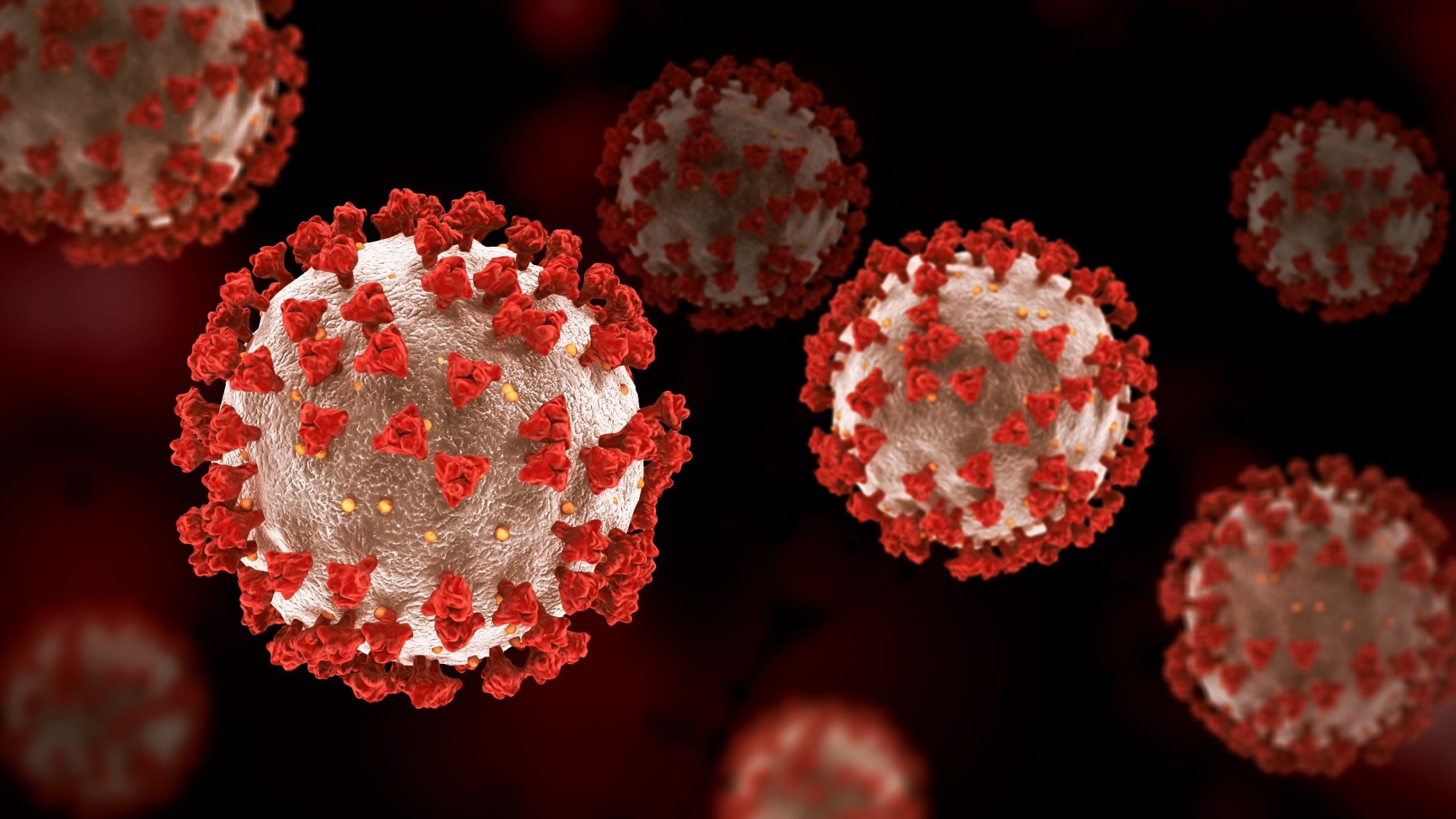 Study: Coronaviruses reprogram the tRNA epitranscriptome to favor viral protein expression. Image credit: mstanley/Shutterstock.com
A recent study in Nature Communications reveals a subtle layer of cellular biology that coronaviruses appear to exploit to boost survival. By analyzing viral codon usage, researchers identified four key transfer ribonucleic acid (tRNA) modifications that help decode suboptimal viral codons. Infections with Severe Acute Respiratory Syndrome Coronavirus 2 (SARS-CoV-2) and the milder human coronavirus OC43 (HCoV-OC43) were associated with reprogramming of these modifications by altering host enzyme activity, which may favor viral protein production.
As similar tRNA changes occur during cellular stress, the findings suggest that coronavirus genomes may be adapted to translation under stress-associated tRNA modification states, revealing a shared vulnerability and pointing to tRNA modification enzymes as potential candidates for broad-spectrum antiviral therapies.
Coronaviruses Exploit Stress-Linked tRNA Modifications for Efficient Translation
Coronaviruses remain a persistent global threat because of their ability to jump species and spark human outbreaks, as seen during the coronavirus disease 2019 (COVID-19) pandemic. Understanding the host mechanisms that they rely on is essential to developing antiviral strategies, particularly their dependence on the cellular protein-production machinery. Notably, coronavirus genomes are rich in suboptimal codons that slow translation due to limited matching transfer RNAs.
Transfer RNA activity, however, is fine-tuned by chemical modifications, especially at key decoding positions, that shift in response to cellular stress. Whether coronaviruses exploit this adaptive tRNA modification landscape to sustain efficient protein synthesis remains unclear.
Map Coronavirus Codon Usage and Host tRNA Landscape
To investigate how coronaviruses overcome inefficient codon usage, researchers performed large-scale computational analyses of relative synonymous codon usage across Alpha- and Betacoronaviruses. They grouped viruses by host species and focused on human-infecting strains. They then examined how viral codon patterns interact with the host transfer RNA (tRNA) landscape, integrating computational analyses with laboratory profiling of tRNA abundance and chemical modifications. The team used HCoV-OC43 and SARS-CoV-2 as models of low- and high-pathogenic human coronaviruses, respectively.
The team profiled the tRNA modification landscape in both infected and uninfected cells using liquid chromatography–tandem mass spectrometry (LC-MS) combined with misincorporation-based tRNA sequencing. Subsequently, they conducted SARS-CoV-2 studies in Calu3 human lung adenocarcinoma cells, while HCoV-OC43 experiments used MRC5 lung fibroblasts. They established infection kinetics to identify the peak of viral replication while preserving cell viability, thereby guiding optimal sampling times. Researchers also measured deoxyribonucleic acid (DNA) damage and oxidative stress markers to assess infection-induced cellular stress.
To validate the findings in vivo, the team infected Syrian hamsters and analyzed lung tissue for changes in tRNA levels. They measured protein levels of tRNA modification enzymes using western blotting, and selectively manipulated enzymes in A549 adenocarcinomic human alveolar basal epithelial cells during HCoV-OC43 infection to test their impact on viral protein production. The researchers also analyzed ribosome profiling datasets from infected cells to compare codon patterns in translation-activated and translation-repressed host transcripts. Lastly, they assessed enzyme gene and protein expression, along with high-resolution tRNA sequencing, to determine whether observed changes reflected altered tRNA abundance or modification of existing molecules.
Four tRNA Modifications Enable Decoding of Coronavirus-Biased Codons
The analyses revealed that coronaviruses rely on four key transfer RNA (tRNA) modifications: queuosine (Q), inosine (I), m5C/f5C, and mcm5U/mcm5s2U, to decode the suboptimal codons that dominate their genomes. Infections with HCoV-OC43 and SARS-CoV-2 were associated with changes in these modifications that aligned with viral codon usage, partly through altered levels of the enzymes that install them. Codon analyses showed that roughly half of coronavirus-enriched codons may be influenced by decoding rules associated with these tRNA changes, particularly those ending in A or U, which are relatively rare in highly expressed host genes but common in coronavirus genomes.
Both viruses triggered oxidative stress and DNA damage, conditions known to reshape the tRNA landscape. Molecular markers confirmed activation of stress pathways, supporting the possibility that coronaviruses translate efficiently in stressed cells. Notably, many of the observed changes occurred through modification of tRNAs already present in the cell, rather than primarily through large shifts in total tRNA abundance, enabling rapid remodeling of the translation machinery. However, some specific tRNA abundance changes were also observed, particularly in SARS-CoV-2 infection.
Distinct patterns also emerged between viruses. HCoV-OC43 showed evidence consistent with increased Q modification, aligning with codons enriched in milder strains, whereas SARS-CoV-2 showed stronger shifts in other wobble-position modifications. In animal models, infection similarly elevated mcm5U levels, particularly in samples with higher viral loads. Functional experiments strengthened the link: altering the expression of specific tRNA modification enzymes in HCoV-OC43-infected cells significantly changed viral protein levels.
Together, the findings show that coronaviruses can reshape the host tRNA epitranscriptome in ways that are consistent with providing a translational advantage, suggesting a potentially conserved and druggable vulnerability. The authors note, however, that some observed changes, such as those involving f5C, may partly reflect mitochondrial stress responses rather than direct effects on viral translation.
tRNA Modification Enzymes Emerge as Promising Antiviral Targets
The study's findings demonstrate that coronaviruses can adjust the host’s tRNA modification landscape in ways that align with their codon preferences, suggesting a conserved strategy that may boost viral protein synthesis. This codon-specific reprogramming highlights tRNA modification enzymes as promising targets for future broad-spectrum antivirals. Since many RNA viruses share A/U-rich genomes and trigger cellular stress responses, the authors propose that similar vulnerabilities could extend beyond SARS-CoV-2 and HCoV-OC43.
Codon-usage profiling could also guide drug development for emerging strains and offer clues about viral adaptation and pathogenicity. Key questions remain, including the mechanisms underlying certain enriched codons, such as Gly-GGU, and the precise roles of specific tRNA modifications. Future in vivo studies and higher-resolution mapping are essential to translate these findings into antiviral strategies.
Download your PDF copy by clicking here.
Journal Reference
Muscolino, E., Puig-Torrents, M., Buigues Bisquert, J. et al. Coronaviruses reprogram the tRNA epitranscriptome to favor viral protein expression. Nat Commun (2026). DOI: 10.1038/s41467-026-69700-w. https://www.nature.com/articles/s41467-026-69700-w
 UNC Researcher Wins Mathers Foundation Grant to Study T-Cell Metabolism