New research shows that common pain-relief drugs can blunt shock-induced escape responses in lobsters, offering fresh insight into how these animals process harmful stimuli and how their welfare could be improved in research and industry.
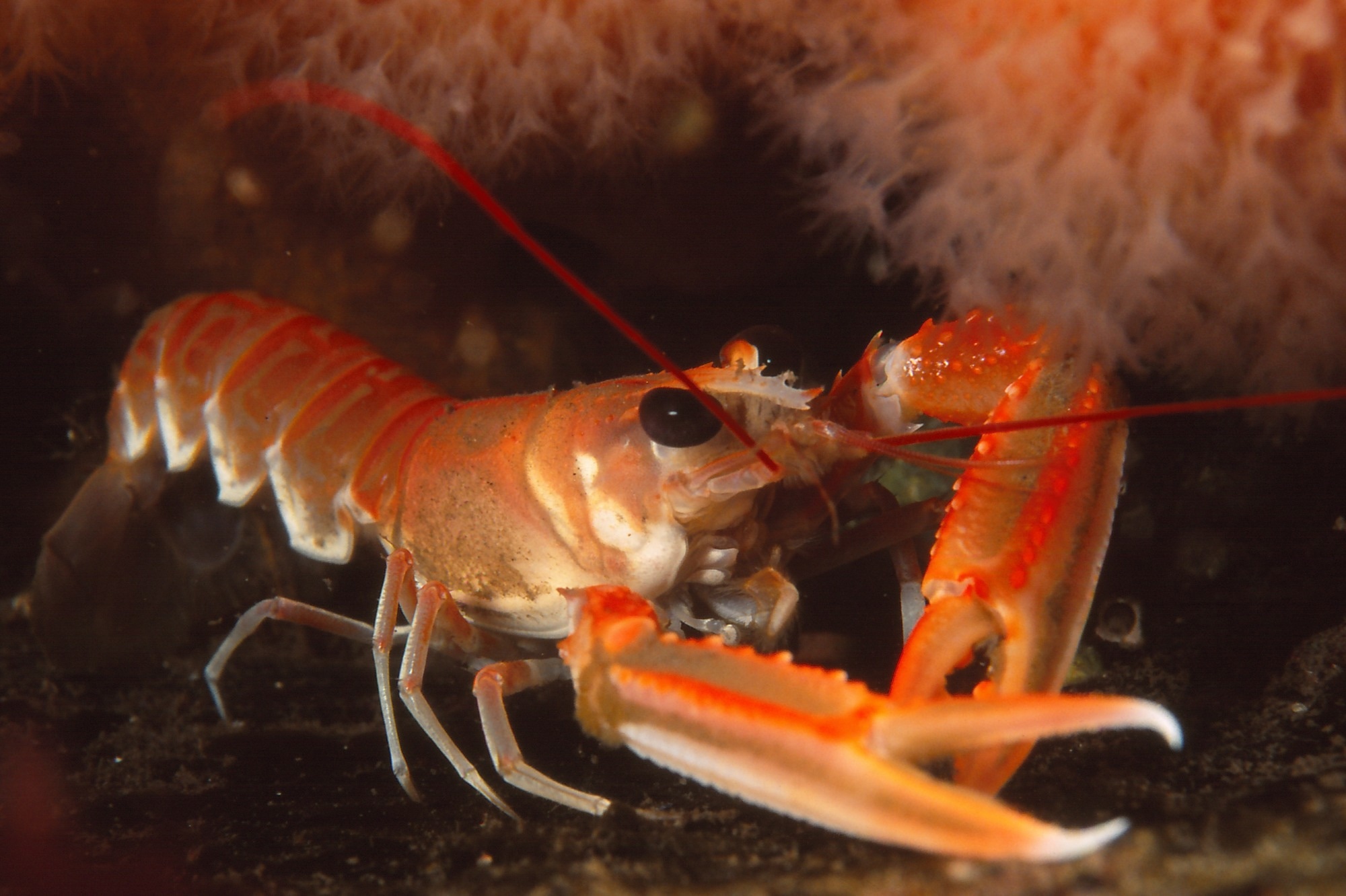 Study: Effects of analgesia on the response to a noxious stimulus in Norway lobsters. Image credit: valda butterworth/Shutterstock.com
A recent study published in Scientific Reports investigated analgesia and nociceptive responses in the Norway lobster (Nephrops norvegicus), a commercially important decapod crustacean.
Researchers examined behavioural and physiological reactions to electric shock across different electrical parameters. They evaluated the effects of aspirin and the local anaesthetic lidocaine on nociceptive responses as a key criterion for assessing nociception. Both drugs significantly reduced shock-induced tail-flipping, a key escape behaviour. The findings suggest potential applications in laboratory handling and procedures as well as in aquaculture and stunning practices. It also reinforces the need to prioritise welfare-focused practices in crustacean research and processing.
Decapod sentience debate drives need for nociception evidence
Decapod crustaceans are increasingly recognised as sentient animals, warranting greater attention in research and welfare practices. However, understanding nociception in these non-verbal organisms remains limited by the difficulty of assessing subjective experience. While behavioural and physiological responses to noxious stimuli have been documented, evidence for effective pharmacological modulation is still sparse.
Only a few studies have examined local anaesthetics such as lidocaine, and the potential role of anti-inflammatory agents like aspirin remains largely underexplored despite the presence of relevant biochemical pathways. Addressing these gaps is crucial to better define nociceptive processing in decapods and support more humane handling, experimental, and processing practices.
Behavioural, physiological, and gene responses measured over time
In the present study, researchers investigated behavioural, physiological, and molecular responses of Norway lobsters to electric shock and assessed whether analgesic treatments modulated these responses. After a seven-day acclimation period in individual tanks, the animals were randomly assigned to seven experimental groups (15 in each group): an undisturbed control group; a sham-handled group; sham groups treated with lidocaine or aspirin; a shocked group; and shocked groups treated with lidocaine or aspirin.
The team maintained all animals under seawater conditions with daily partial water changes. They administered an analgesic one hour before the experimental observations, with baseline recordings conducted after this period. In addition, they delivered lidocaine (80 mg L−¹) by immersing animals in their home tanks, while injecting aspirin (10 mg kg−¹) into the arthrodial membrane of the fourth pereiopod.
The researchers applied electric shock as an acute noxious stimulus in a separate tank using a 50 Hz AC source, delivering 9.1 V m-1 for 10 seconds. Following exposure, they immediately placed the animals in their home tanks. They recorded animal behaviour using digital cameras for 15 minutes at baseline, immediately post-exposure, and at one hour and two hours post-treatment. Video analyses quantified locomotor activity and escape behaviours, with particular focus on tail-flipping during shock.
Two independent observers scored recordings, with reliability confirmed using Pearson correlation and intraclass correlation analyses. Following behavioural assessments, the team collected haemolymph samples to measure glucose and lactate as indicators of physiological stress. They then extracted nervous system tissues after inducing anaesthesia via ice exposure for molecular analyses.
The researchers performed quantitative polymerase chain reaction (qPCR) to determine the expression of stress- and neurotransmission-related gene markers. These included crustacean hyperglycemic hormone (CHH) and gamma-aminobutyric acid (GABA) receptor subunit genes across major ganglia. Lastly, group comparisons evaluated shock and handling effects, and the influence of analgesic treatments on behavioural and physiological outcomes.
Analgesics reduce escape behaviour but differ in side effects
Electric shock elicited a clear nociceptive response in Norway lobsters, evidenced by frequent tail-flipping, which was absent in sham and control animals. This escape behaviour occurred in all untreated shocked individuals but was markedly reduced by both lidocaine and aspirin, with tail-flipping observed in only a subset of treated animals. Lidocaine showed a strong effect with minimal side effects, while aspirin also reduced nociceptive behaviour but introduced additional physiological changes.
Handling alone increased activity and grooming across sham groups, confirming a mild stress response. Notably, overall activity levels did not differ significantly between sham-handled and shocked animals, indicating that handling itself contributed substantially to behavioural changes. Importantly, both shock and handling effects diminished within one to two hours, suggesting these were acute rather than long-lasting disturbances.
Physiological and molecular data supported these behavioural findings, although electric shock alone did not significantly elevate haemolymph lactate levels. Instead, elevated lactate was primarily observed in aspirin-treated groups, indicating increased metabolic stress likely related to the drug administration or injection procedure. Aspirin treatment was also associated with increased grooming before shock and altered gene expression in neural tissues, including downregulation of GABA B1 in abdominal ganglia. Lidocaine, in contrast, did not significantly disrupt physiological markers, suggesting a more targeted effect on nociceptive signalling.
Findings support improved welfare practices in research and industry
The findings demonstrate that electric shock elicited a rapid, short-lived nociceptive response in Norway lobsters, evident as vigorous tail-flipping. Both lidocaine and aspirin significantly reduced this behaviour, supporting nociceptive pathway involvement and fulfilling a key criterion used to assess nociception in animals. However, lidocaine showed a more targeted effect, whereas aspirin was linked to measurable physiological side effects.
Overall, decapod crustaceans appear to mount structured and regulated responses to noxious stimuli, highlighting the need to refine welfare practices in research, handling, and industry procedures in an evidence-driven way. Future research should clarify drug mechanisms, pharmacokinetics, and species-specific variability, while also adopting electrophysiological approaches and improving experimental design. These advances will strengthen evidence-based guidelines and support more effective and humane welfare strategies for decapod crustaceans.
Journal Reference
Kasiouras, E., Rotllant, G., Gräns, A. et al. (2026). Effects of analgesia on the response to a noxious stimulus in Norway lobsters (Nephrops norvegicus). Scientific Reports, 16, 12190. DOI: 10.1038/s41598-026-41687-w. https://www.nature.com/articles/s41598-026-41687-w
 3D Stem-Cell miBrains Model Complex Neurovascular Pathology in Human Tissue