A year before the Deepwater Horizon oil spill, a team from the National Oceanic and Atmospheric Administration (NOAA) collected seawater from the Gulf and froze it for future analysis. Sixteen years later, Florida International University (FIU) biologist Shen Jean Lim found that some of the bacteria that helped break down the oil in 2010 were barely detectable before the spill.
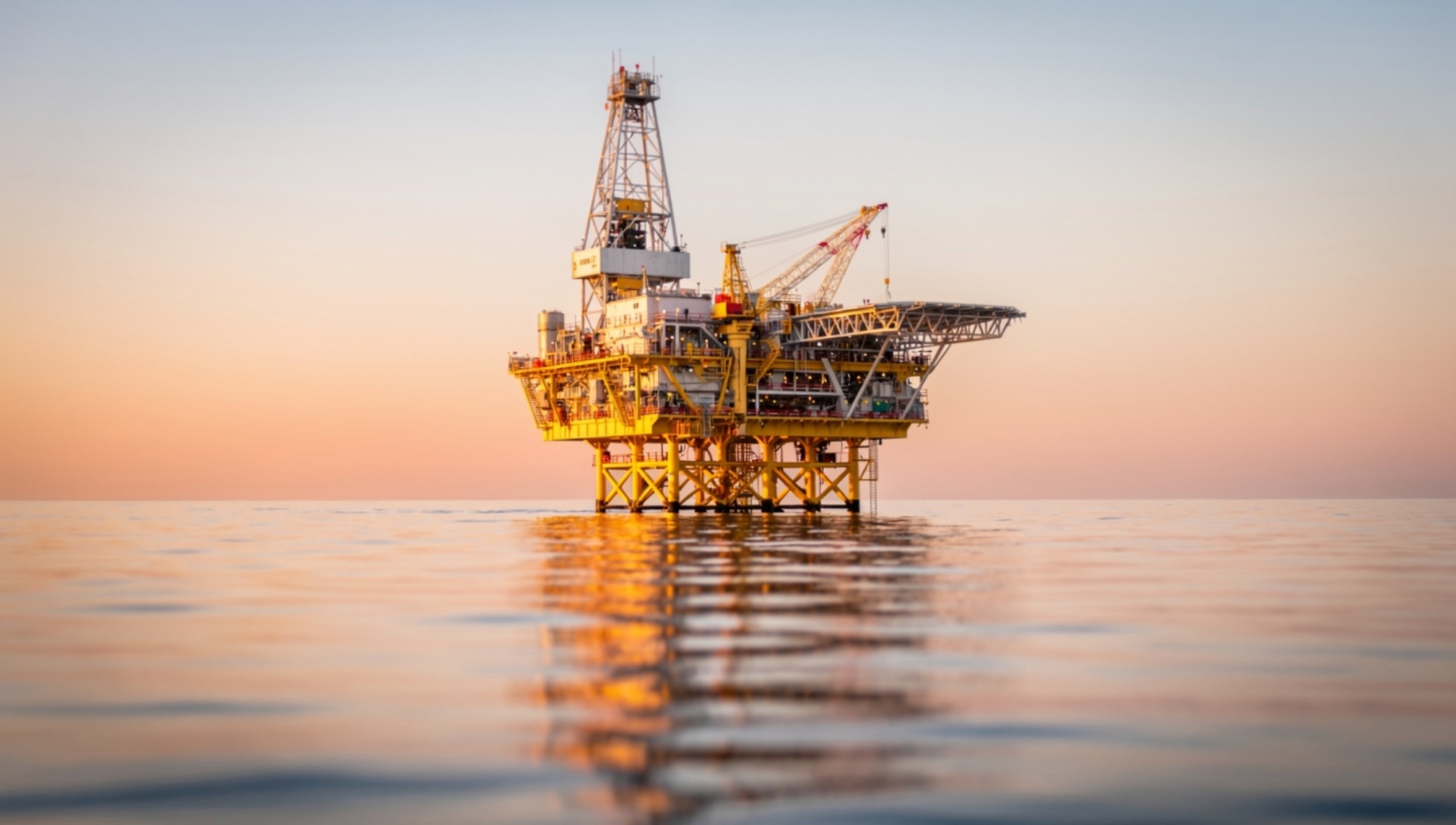 Image credit: Premium pixel studio/Shutterstock.com
The findings, published in Applied and Environmental Microbiology, suggest that the Gulf harbors a hidden reservoir of rare microbes that can rapidly multiply when a sudden influx of oil provides them with a food source.
We expected those microbes to be present at a reasonable high abundance, just waiting for the opportunity. Their abundances were much lower than we predicted.
Shen Jean Lim, Biologist, Florida International University
Using the archived samples, Lim built a detailed picture of the microbial community in the deep Gulf before the largest marine oil spill in US history.
“After the oil spill, people found microbes that increased in abundance because they were breaking down the oil,” Lim said. “But people only have data from during and after the spill. Nobody knew what it was like before.”
The contrast between the low levels of certain microbes in the 2009 samples and their abundance during the spill suggests that changes in microbial communities could provide early warning signs of environmental disturbances.
The microbes are the first responders. The moment something is wrong, that's when we know something is up with the ecosystem.
Shen Jean Lim, Biologist, Florida International University
Scientists still lack sufficient baseline data to determine whether the Gulf's microbial community has returned to its pre-spill state.
The samples Lim analyzed came from an area of active oil drilling approximately 62 miles from the Deepwater Horizon well. A NOAA team working on an unrelated project had taken the opportunity to collect seawater from the area.
“It was entirely by luck,” Lim said. “Nobody knew the explosion was going to happen. You can have samples from 20 years ago, even 50 years ago. As long as they maintain that temperature, the DNA is good.”
Lim conducted the analysis as a postdoctoral researcher at NOAA's Atlantic Oceanographic and Meteorological Laboratory in Miami before joining FIU, where she is now a researcher at the Institute of Environment.
She joined the project after the DNA had been extracted and sequenced. Luke Thompson, a research professor at Mississippi State University's Northern Gulf Institute and a principal investigator on NOAA's Omics team, wanted to find out whether the bacteria that thrived during the spill had been present beforehand.
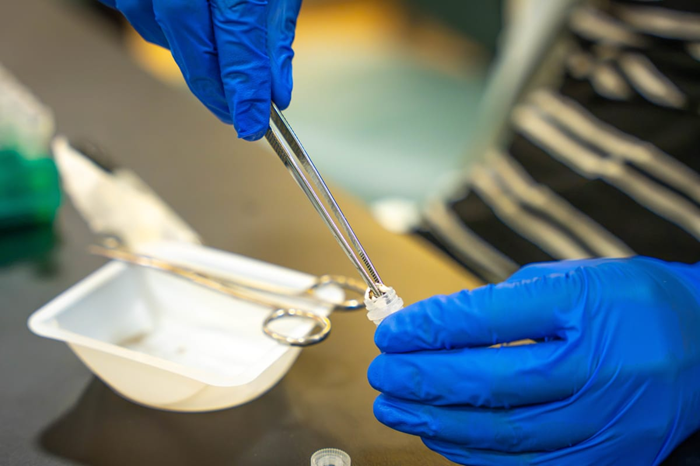
eDNA in FIU biologist Shen Jean Lim's lab. Image Credit: Florida International University
Although the study involved just 10 samples, Lim spent around two years analyzing the sequence data. The researchers reconstructed 60 bacterial genomes and 11 genomes belonging to archaea, another group of single-celled microorganisms. They also compared their findings with 55 additional microbial datasets from the Gulf.
Many of the microbes identified are commonly found in deep-ocean environments worldwide. Some already carried genes associated with the breakdown of methane, alkanes, and other hydrocarbons.
One species of the bacterial genus Bermanella stood out. Initially undetected in the 2009 samples, researchers found it at very low levels through a more targeted genetic analysis. DNA sequences associated with this bacterium were far more abundant in the oil plume during the spill, before declining to low levels in samples collected in subsequent years.
The findings suggest that rare microbes may be able to respond rapidly to environmental disturbances, although further research is needed to understand where these populations persist and how they respond to oil releases.
According to Lim, microbes respond to environmental changes faster than fish, corals, or seagrass. Some species can reproduce within eight to 24 hours, allowing disturbances such as fertilizer runoff or oil spills to reshape microbial communities within days, often before visible changes occur in the water.
Lim, who joined FIU around nine months ago after earning her doctorate at Clemson University, is now studying microbial communities in the seagrass beds of Biscayne Bay. Her research focuses on clams that harbor food-producing bacteria in their gills. These bacteria consume sulfide, a compound toxic to seagrass, and may help the meadows grow.
For Lim, the Gulf study highlights the importance of environmental monitoring in places such as Biscayne Bay, where baseline data could help researchers understand the effects of future disturbances.
We don't want to wait for something to happen and then realize we don't have any data on the baseline. We should be collecting baseline data, and monitoring is important.
Shen Jean Lim, Biologist, Florida International University
Source:
Journal reference:
Lim, S. J., et al. (2026). Metagenomic analysis of water column samples collected from Green Canyon 233 prior to the Deepwater Horizon incident. Applied and Environmental Microbiology. DOI: https://doi.org/10.1128/aem.00799-26.
 Tumor Microenvironment Pressures Induce Critical Genomic Instability in Antitumor T Cells