Introduction
What Are PROTACs?
Understanding the Mechanism of PROTACs
Why Are PROTACs Different from Traditional Drugs?
Applications in Drug Discovery and Disease Research
Current Challenges and Future Directions
Conclusion
References and Further Reading
PROTAC technology is reshaping drug discovery by enabling selective protein degradation through a catalytic mechanism that differs fundamentally from conventional inhibition. Ongoing advances in degrader design, E3 ligase recruitment, and clinical development are expanding the therapeutic potential of this rapidly evolving platform across cancer and other diseases.
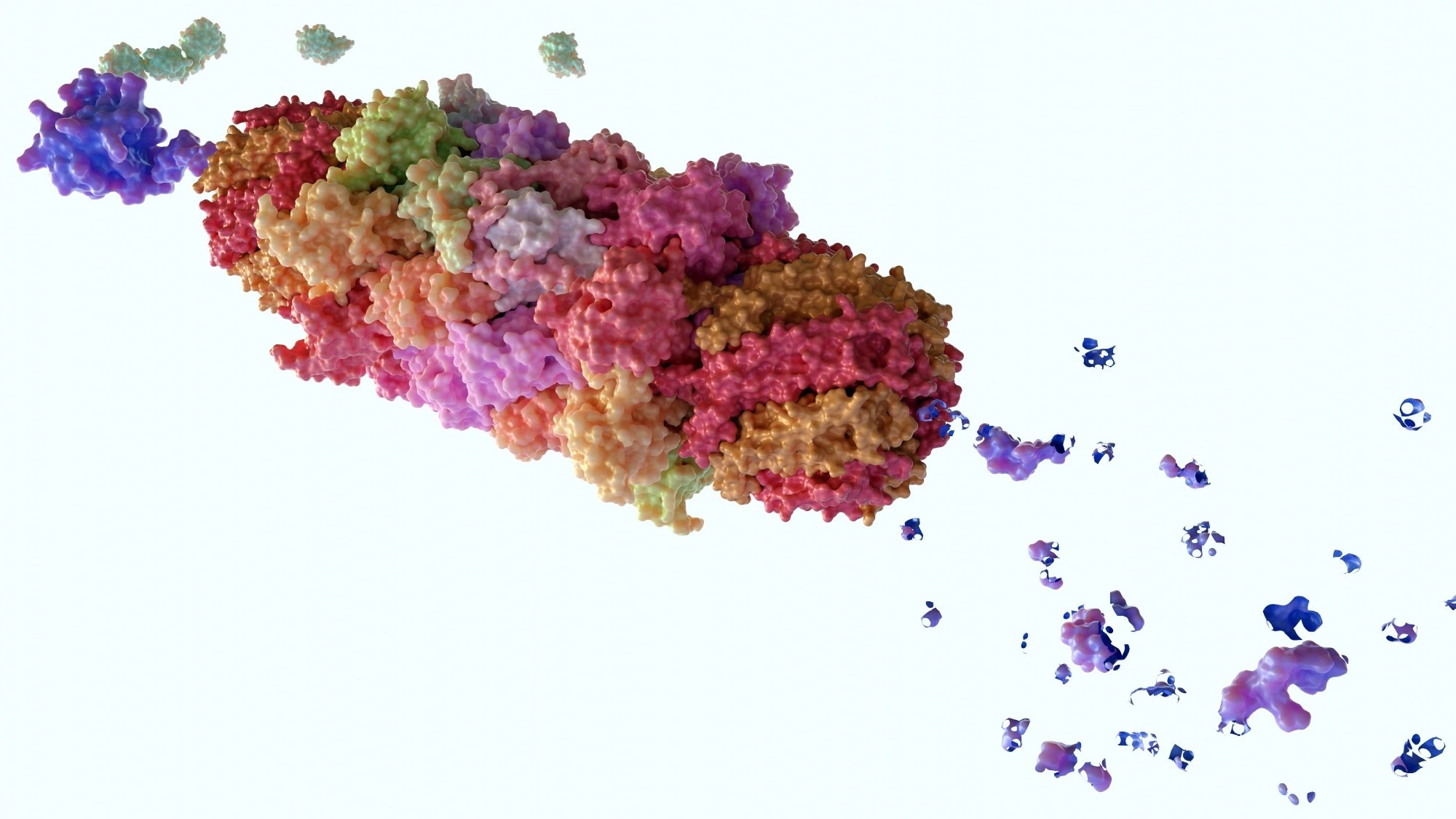 Image credit: Love Employee/Shutterstock.com
Despite remarkable advances in modern drug discovery, many disease-causing proteins remain challenging to target using conventional therapeutic approaches. Some lack well-defined binding pockets required for traditional small-molecule inhibitors, while others drive disease through functions that cannot be readily modulated through conventional inhibition. As a result, a substantial proportion of disease-associated proteins have historically been considered "undruggable," limiting the range of therapeutic targets available to researchers.1
To overcome these limitations, researchers have explored targeted protein degradation (TPD), a therapeutic strategy that eliminates disease-causing proteins rather than simply suppressing their activity. Among the most extensively studied TPD technologies are proteolysis-targeting chimeras (PROTACs), which have emerged as a promising approach for expanding the druggable proteome.2
This article explores the mechanisms underlying PROTAC technology and examines its evolution from a conceptual strategy to a rapidly advancing therapeutic platform. Understanding how PROTACs work provides valuable insight into their growing role in modern medicine.
Download Your Free PDF Guide to the Mechanisms of PROTACs
What Are PROTACs?
PROTACs are heterobifunctional molecules designed to eliminate disease-causing proteins. Unlike conventional inhibitors, which suppress protein activity, PROTACs harness the cellular ubiquitin-proteasome system (UPS) to selectively identify, label, and destroy target proteins.1-3
The concept was first demonstrated in 2001, when researchers showed that a bifunctional molecule could direct a target protein toward the cell's degradation machinery. While these early PROTACs provided proof of concept for targeted protein degradation, their large size and poor cell permeability limited their potential as therapeutic candidates.
A major milestone came in 2004 with the development of the first cell-permeable peptide PROTAC, bringing the technology closer to therapeutic application. The field accelerated further in the late 2000s and early 2010s with the discovery of drug-like small-molecule ligands for E3 ligases, including mouse double minute 2 (MDM2), cereblon (CRBN), and von Hippel–Lindau (VHL). These advances enabled the development of more drug-like degraders and transformed PROTACs from experimental research tools into a promising therapeutic platform.1
Understanding the Mechanism of PROTACs
PROTACs are composed of three key elements: a ligand that binds the protein of interest (POI), a ligand that recruits an E3 ubiquitin ligase, and a chemical linker that connects the two. When a PROTAC simultaneously binds the target protein and an E3 ligase, it forms a ternary complex consisting of the target protein, the PROTAC, and the E3 ligase. The efficiency of degradation depends not only on binding to each partner but also on formation of a productive ternary complex that positions the POI for ubiquitin transfer.1,3
Ubiquitin-Proteasome System | Targeted Protein Degradation
Video credit: Thermofisher/Youtube.com
This interaction enables the target protein to undergo ubiquitination, a process in which ubiquitin molecules are attached to the protein, typically through lysine residues. Ubiquitin acts as a molecular tag that marks proteins for degradation by the 26S proteasome, the cell's protein recycling machinery.1,3
Following degradation of the target protein, the PROTAC can dissociate and engage additional copies of the same protein, enabling multiple rounds of degradation. This catalytic or event-driven mode of action distinguishes PROTACs from conventional inhibitors, which typically require continuous occupancy of their targets to maintain activity.2
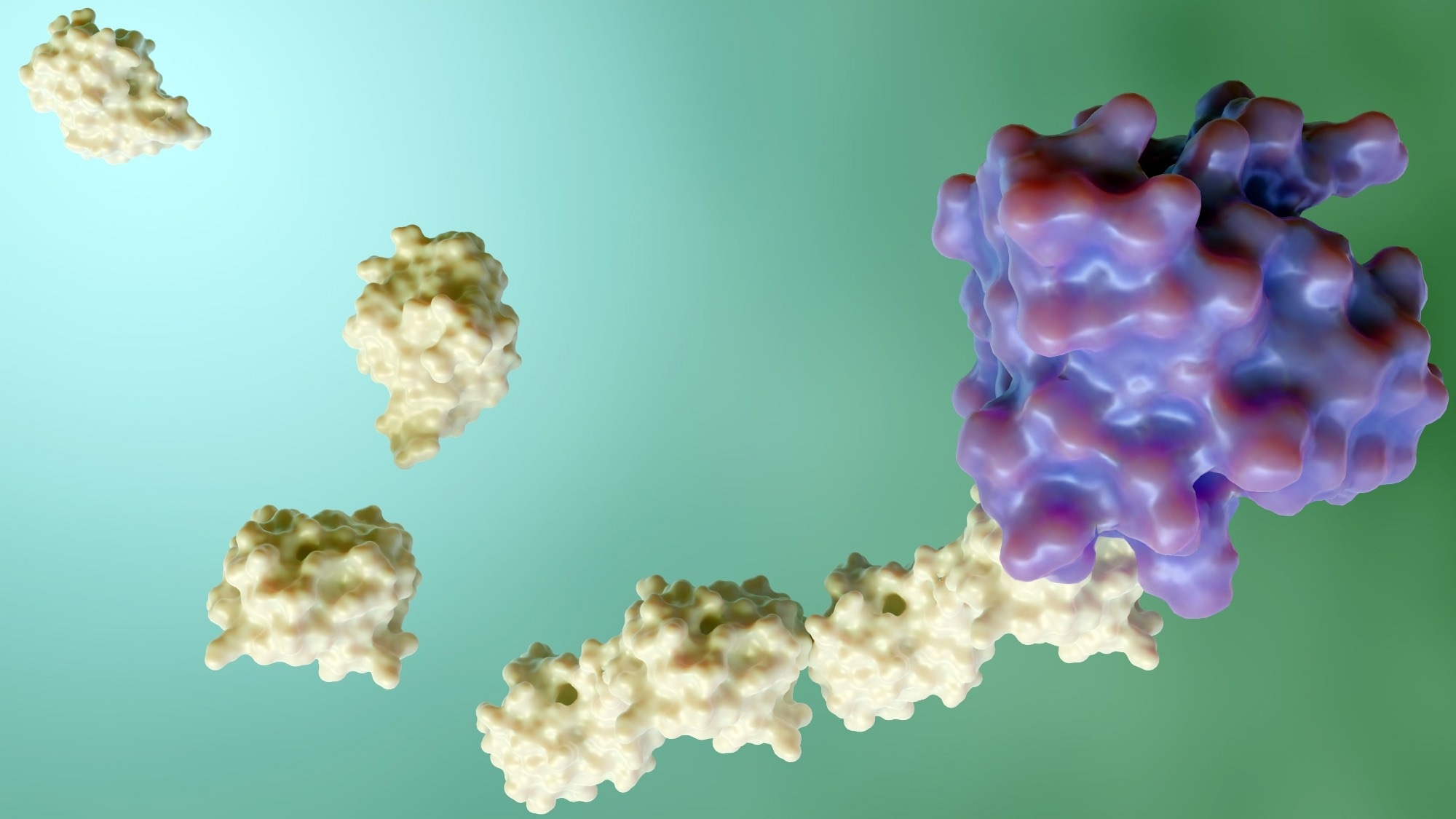 Ubiquitination marks target proteins for degradation by the ubiquitin–proteasome system. During this process, multiple ubiquitin molecules are covalently attached to a protein of interest, forming a polyubiquitin chain that signals recognition and degradation by the 26S proteasome. Image credit: Love Employee/Shutterstock.com
Why Are PROTACs Different from Traditional Drugs?
By eliminating a target protein rather than simply blocking its activity, PROTACs may offer several advantages over conventional therapeutics. Among the most significant is their potential to target proteins that have historically been considered difficult to drug. Unlike traditional inhibitors, which often require a well-defined active site, PROTACs can induce degradation by recruiting the cell's protein disposal machinery to a bound target. As a result, proteins with non-enzymatic functions, including transcription factors and scaffold proteins, may become therapeutically accessible, expanding the druggable proteome.3
Protein degradation may also help address certain forms of drug resistance. Conventional inhibitors can become less effective when target proteins accumulate or become overexpressed. By eliminating the target protein, PROTACs may help overcome this adaptive response and prolong target suppression.3
Another advantage is selectivity. By exploiting specific interactions between the target protein, E3 ligase, and PROTAC, degraders can achieve selective protein removal. Because the target protein itself is eliminated, PROTACs can simultaneously abolish both its enzymatic activity and any non-catalytic or scaffolding functions that contribute to disease. Finally, because PROTACs act catalytically, a single molecule can trigger multiple rounds of protein degradation, potentially achieving sustained biological effects at lower concentrations than conventional inhibitors.1,3
Applications in Drug Discovery and Disease Research
Oncology remains the leading application area for PROTAC technology, reflecting the central role of disease-driving proteins in cancer progression. To date, targeted protein degradation has been explored against a broad range of oncogenic proteins, including nuclear receptors, transcriptional regulators, kinases, and metabolic enzymes. Among the most clinically advanced targets are the androgen receptor (AR) and estrogen receptor (ER), which play key roles in prostate and breast cancer, respectively. Another prominent example is bromodomain-containing protein 4 (BRD4), a transcriptional regulator implicated in tumor growth and survival.1,2
Beyond oncology, researchers are exploring targeted protein degradation in several other disease areas. In neurodegenerative disorders, PROTACs have been investigated as a strategy to remove pathogenic proteins such as tau and α-synuclein, which are associated with Alzheimer’s and Parkinson’s disease, respectively. In inflammatory disorders, degraders targeting proteins such as IRAK4 and STAT3 are being evaluated for their ability to modulate immune signaling pathways implicated in autoimmune and chronic inflammatory diseases.4,5
Emerging research has also explored the use of targeted protein degradation in infectious diseases through the elimination of viral proteins, such as hepatitis B virus X protein (HBx), as well as host factors involved in pathogen replication.6
Current Challenges and Future Directions
Despite significant progress, several challenges continue to limit the broader clinical application of PROTACs. Among the key obstacles is their relatively large size and complex structure, which can hinder oral bioavailability, tissue penetration, and overall pharmacokinetic performance. Achieving selective degradation in specific tissues also remains challenging, partly because PROTAC activity depends on the availability of E3 ligases, which are not uniformly expressed across different cell types.2
Another limitation is the restricted E3 ligase repertoire currently available for degrader design. Although the human genome encodes more than 600 E3 ligases, most PROTACs rely on only a handful, particularly CRBN and VHL. Expanding the range of recruitable E3 ligases is expected to improve tissue selectivity, broaden the spectrum of degradable proteins, and provide new opportunities to overcome resistance.2,7
Further challenges include unintended degradation of non-target proteins and the emergence of resistance mechanisms, both of which could compromise the long-term efficacy and safety of degrader therapies. Reported resistance mechanisms include alterations affecting recruited E3 ligases, components of the ubiquitin–proteasome system, or other cellular factors required for efficient target ubiquitination and degradation.2,7,8
Download your PDF copy by clicking here.
Conclusion
It’s been more than two decades since the first PROTAC was reported, and the technology has evolved from an intriguing concept into one of the most promising areas of modern drug discovery. Currently, several degraders, including those targeting the androgen receptor (AR) and estrogen receptor (ER), have advanced into clinical trials, providing early evidence that selective protein degradation can be translated into clinical benefit.8
Building on this momentum, researchers are expanding the range of recruitable E3 ligases and improving degrader design to enhance selectivity and tissue specificity. Emerging modalities such as molecular glues and lysosome-targeting chimeras (LYTACs) are also extending the reach of targeted protein degradation beyond the capabilities of conventional PROTACs. Additional targeted degradation platforms, including autophagy-targeting chimeras (AUTACs) and autophagosome-tethering compounds (ATTECs), are further broadening the therapeutic landscape by enabling degradation of targets that may not be optimally addressed through the ubiquitin–proteasome system alone.2
As the field continues to mature, targeted protein degradation may play an increasingly important role in precision medicine, helping to shape the next generation of therapeutic innovation.
References and Further Reading
- Liu, Z. et al. An overview of PROTACs: a promising drug discovery paradigm. Mol. Biomed. 3, 46 (2022). DOI: 10.1186/s43556-022-00108-6, https://link.springer.com/article/10.1186/s43556-022-00108-6
- Faryal, B. et al. Targeted Protein Degradation in Cancer: PROTACs, New Targets, and Clinical Mechanisms. Biomolecules 16, 325 (2026).
- Wang, Y., Jiang, X., Feng, F., Liu, W. & Sun, H. Degradation of proteins by PROTACs and other strategies. Acta Pharm. Sin. B 10, 207–238 (2020). DOI: 10.1016/j.apsb.2019.08.001, https://www.sciencedirect.com/science/article/pii/S2211383519302990
- Kong, D., Meng, L., Lin, P. & Wu, G. Advancements in PROTAC-based therapies for neurodegenerative diseases. Future Med. Chem. 17, 591–605 (2025). DOI: 10.1080/17549447.2024.2449225, https://www.tandfonline.com/doi/full/10.1080/17549447.2024.2449225
- Galla, M. S., Sharma, N., Mishra, P. & Shankaraiah, N. Recent insights of PROTAC developments in inflammation-mediated and autoimmune targets: a critical review. RSC Med. Chem. 15, 2585–2600 (2024). DOI: 10.1039/D4MD00318A, https://pubs.rsc.org/en/content/articlelanding/2024/md/d4md00318a
- Espinoza-Chávez, R. M. et al. Targeted Protein Degradation for Infectious Diseases: from Basic Biology to Drug Discovery. ACS Bio Med Chem Au 3, 32–45 (2023). DOI: 10.1021/acsbiomedchemau.2c00061, https://pubs.acs.org/doi/10.1021/acsbiomedchemau.2c00061
- Ebadi, P., Stratton, C. M. & Olsen, S. K. E3 ubiquitin ligases in signaling, disease, and therapeutics. Trends Biochem. Sci. 50, 960–976 (2025). DOI: 10.1016/j.tibs.2025.06.005, https://www.cell.com/trends/biochemical-sciences/fulltext/S0968-0004(25)00137-5
- Chirnomas, D., Hornberger, K. R. & Crews, C. M. Protein degraders enter the clinic - a new approach to cancer therapy. Nat. Rev. Clin. Oncol. 20, 265–278 (2023). DOI: 10.1038/s41571-023-00728-3, https://www.nature.com/articles/s41571-023-00728-3
Last Updated: Jul 20, 2026