Researchers at the Children’s Medical Center Research Institute at UT Southwestern (CRI) have found an advantage to vitamin C deficiency: defense against a significant parasitic disease. Their study offers a possible reason for the loss of vitamin C synthesis in certain animals, including people.
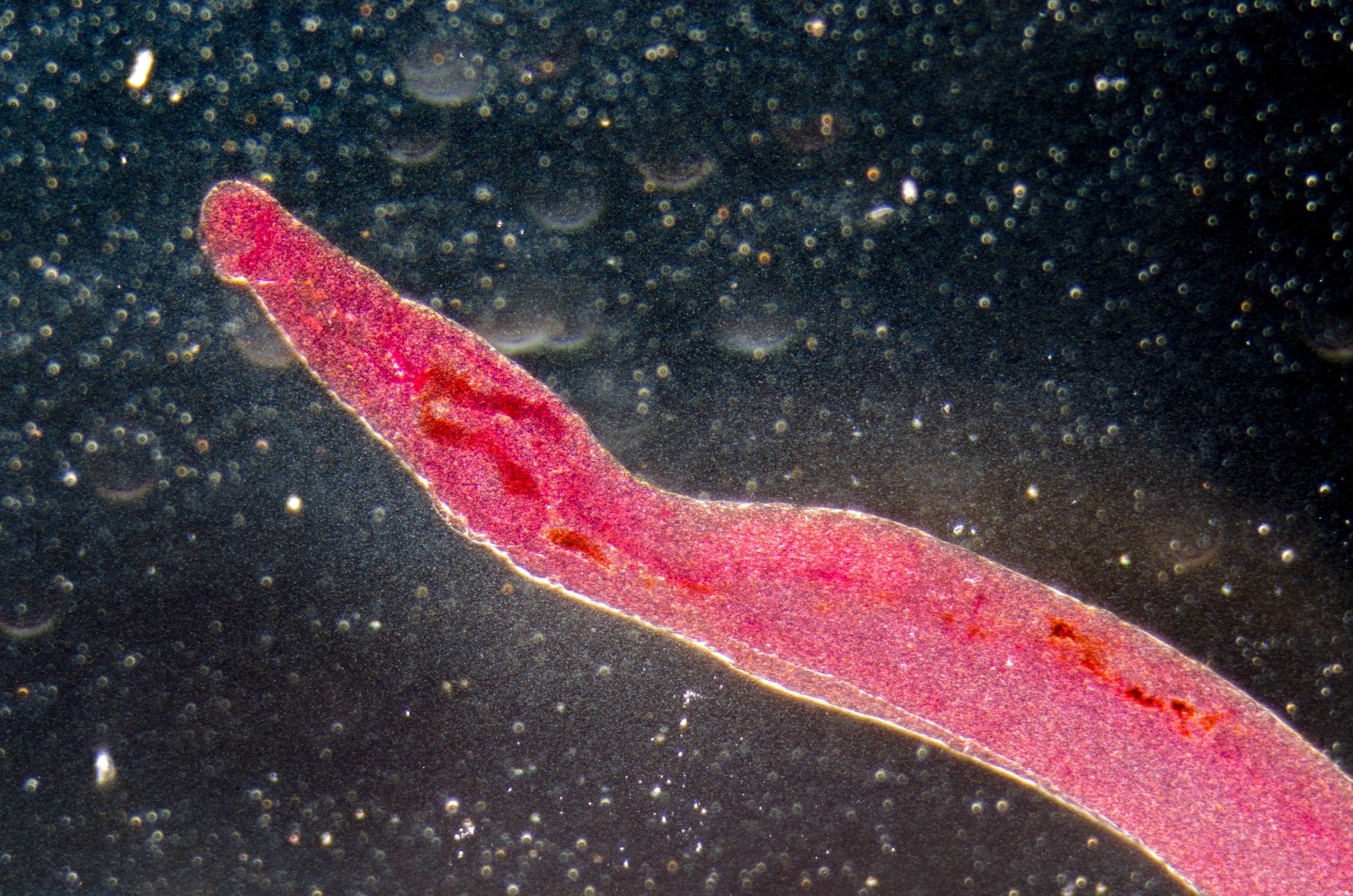 Image credit: Pan Xunbin/Shutterstock.com
Vitamin C, also called ascorbate, is not needed by most animals as they have the ability to synthesize it using L-Gulonolactone oxidase (GULO) gene. But as humans and some other species evolved, they lost the GULO gene, making the need for ascorbate, a vitamin, to be incorporated from the diet. This is considered a neutral trait loss by scientists, as there are no known benefits to vitamin C deficiency.
However, the new research, published in the Proceedings of the National Academy of Sciences, challenges this concept and shows that the loss of ability for vitamin C synthesis and becoming vitamin C deficient protects animals who are infected with schistosomes, a parasitic flatworm that requires vitamin C from its host for reproduction.
Vitamin C deficiency causes scurvy. In 2017, Dr. Agathocleous discovered that vitamin C deficiency plays a role in the development of myeloid leukemia. This suggests that the deficiency could also lead to cancer development.
Other researchers have also shown that vitamin C synthesis is an ancient metabolic pathway that has been lost not only in some animals but also in many parasites. In 2019, Drs. Wang and Collins discovered that ascorbate was one of the key elements required for schistosomes to lay eggs in a petri dish.
These discoveries led Dr. Agathocleous to hypothesize that a host deficient in vitamin C could be protected from parasites that require vitamin C but cannot synthesize it.
Research was conducted with normal mice, which can naturally synthesize ascorbate, and compared the results with mice that did not have the GULO gene.
They identified that most normal mice infected with schistosomes died because of schistosomiasis, but in those without the GULO gene, only 5 % died. Intermittent intake of vitamin C reduced morbidity and death from schistosomiasis, while also preventing scurvy.
Our work changed my view of vitamins. Vitamins have been studied for over a hundred years for their possible benefits, and vitamin deficiencies are, by definition, harmful. This research shows that having transient deficiency in a vitamin can be beneficial in an animal infected with a pathogen that requires the vitamin.
Michalis Agathocleous, Ph.D., Assistant Professor, The University of Texas Southwestern Medical Center
Schistosomiasis affects nearly 250 million people. The disease is caused when schistosomes penetrate the human skin through contaminated water. Schistosomes live in human blood vessels near the liver, and they can thrive for decades.
We think the advantage of deficiency comes from the different timescales over which the worms need vitamin C versus the host. Worms lay eggs every day, whereas host disease due to deficiency takes months to develop. So, on balance, there is a benefit for an infected animal to be transiently deficient in vitamin C.
Michalis Agathocleous, Ph.D., Assistant Professor, The University of Texas Southwestern Medical Center
Dr. Agathocleous added, “It is still possible that the loss of vitamin C synthesis was evolutionarily neutral, since we don’t have the tools to formally test for positive selection of GULO loss in ancient primates. But because schistosomiasis is so prevalent, and the survival benefit for infected animals is so strong, our results could explain why GULO was lost, and ascorbate became a vitamin.”
In the future, the lab will further its investigation on the role of vitamin C and impacts of its deficiency in human diseases, including myeloid leukemia, a type of blood cancer which starts in the bone marrow and affects white blood cells, and parasitic diseases.
Source:
Journal reference:
Chen, G., et.al. (2025) Loss of vitamin C biosynthesis protects from the pathology of a parasitic infection. Proceedings of the National Academy of Sciences. DOI: 10.1073/pnas.2517730122. https://www.pnas.org/doi/10.1073/pnas.2517730122.
 Neutrophil Activation by NMU Blocks Cytotoxic T Cell Tumor Infiltration