How Does Immunotherapy Work in Cancer?
Immunotherapy vs. Traditional Cancer Treatments
Immunotherapy: Clinical Impact and Outcomes
Future Directions in Immunotherapy
References and Further Reading
By targeting immune checkpoints and the tumor microenvironment, immunotherapy has introduced more personalized and durable treatment strategies across multiple cancer types. Ongoing research into resistance biology, combination therapies, and immune profiling continues to refine patient selection and therapeutic effectiveness.
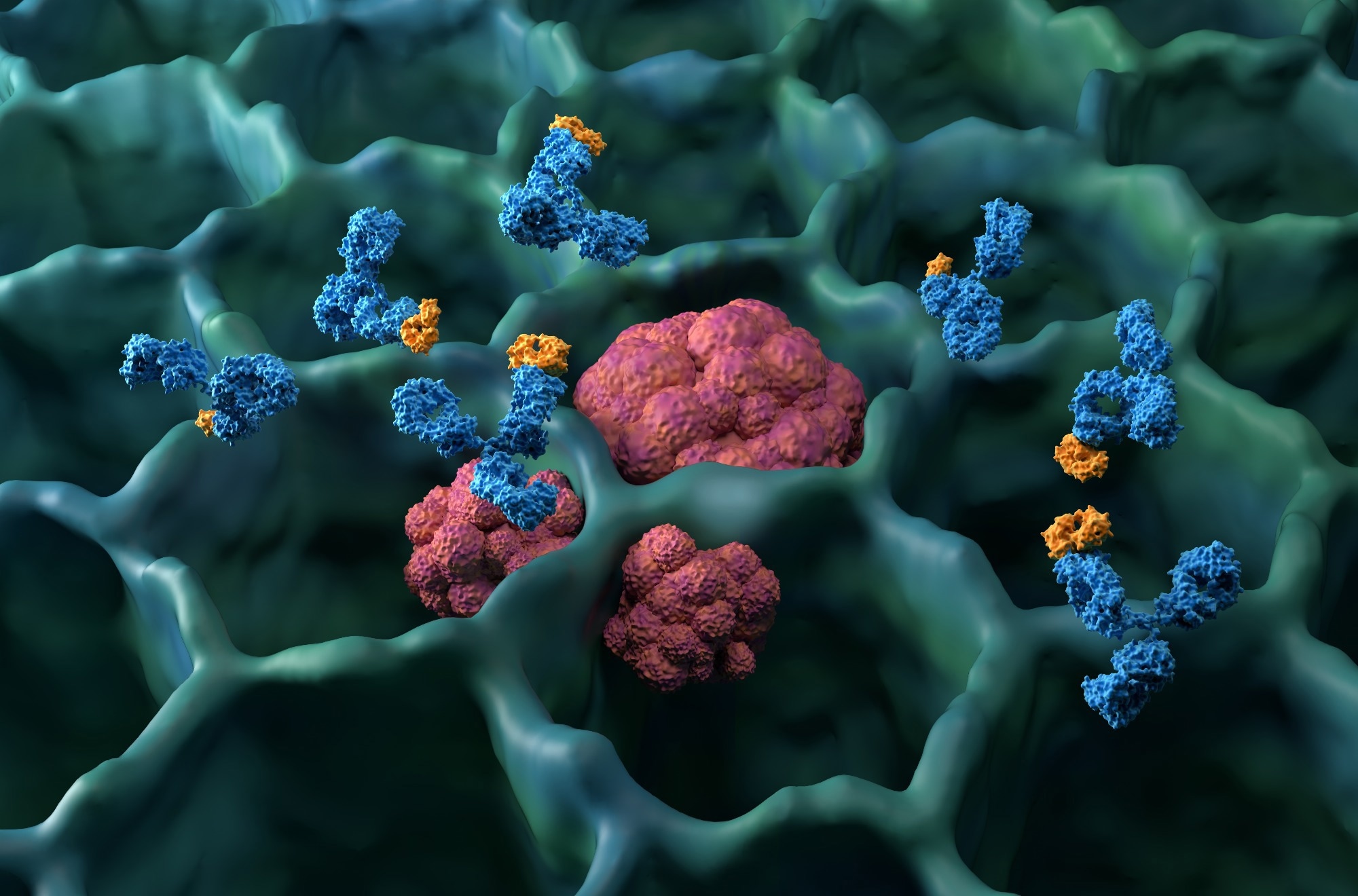 Image credit: Nemes Laszlo/Shutterstock.com
Immunotherapy has emerged as one of the most significant advances in modern oncology, fundamentally reshaping how cancer is understood and treated. The conceptual shift from externally applied tumor destruction to immune system activation has introduced new therapeutic possibilities, including durable responses, greater specificity, and long-term disease control in settings once considered largely untreatable.
This article outlines the mechanisms of immunotherapy and examines why it represents a major transition in cancer treatment toward more sustained, immune-driven responses.
How Does Immunotherapy Work in Cancer?
The immune system plays a continuous surveillance role in identifying and eliminating abnormal cells, including those that may become cancerous. Key immune effectors, particularly T cells, can recognize tumor-associated antigens and initiate targeted cell killing. Under normal conditions, this process helps prevent malignant transformation.1
However, cancer cells frequently evolve mechanisms to evade immune detection, one of the most important of which involves activation of immune checkpoint pathways, which are regulatory signals that physiologically prevent excessive immune activation. Tumors can exploit these pathways to suppress T cell activity and avoid immune-mediated destruction.2
Another major mechanism is the development of an immunosuppressive tumor microenvironment, which limits immune cell infiltration and impairs effective anti-tumor responses. Additional mechanisms of immune escape include downregulation or loss of major histocompatibility complex class I (MHC-I) antigen presentation machinery, impairment of interferon-γ signaling, and recruitment of suppressive immune populations such as regulatory T cells, myeloid-derived suppressor cells, and tumor-associated macrophages, all of which contribute to T cell dysfunction and tumor persistence.1,2
Physical and metabolic properties of the tumor immune microenvironment, including extracellular matrix remodeling, hypoxia, acidity, and competition for nutrients, may further restrict immune-cell trafficking and anti-tumor activity.12,14
Immunotherapy counteracts these evasion processes by restoring immune activity through several major classes that enhance or reactivate immune function via distinct but related pathways.
Immune checkpoint inhibitors (ICIs) target regulatory pathways such as programmed cell death protein 1 (PD-1), programmed cell death ligand 1 (PD-L1), and cytotoxic T lymphocyte-associated protein 4 (CTLA-4), restoring T cell activity and enhancing recognition of tumor antigens. CTLA-4 primarily regulates T cell activation during the priming phase within lymphoid tissues, whereas the PD-1/PD-L1 axis predominantly suppresses effector T cell activity within the tumor microenvironment.2
Another class of immunotherapy is chimeric antigen receptor (CAR)-T cell therapy, which involves genetically engineered T cells engineered to recognize tumor-associated antigens and enhance targeted cytotoxicity. Similarly, monoclonal antibodies (mAbs) contribute by binding to tumor-associated antigens or immune regulatory targets, thereby promoting immune-mediated tumor destruction or blocking pro-tumor signaling pathways to enhance anti-tumor immune responses.3,4
Beyond direct antigen targeting, monoclonal antibodies may also induce antibody-dependent cellular cytotoxicity (ADCC), complement activation, or deliver cytotoxic payloads through antibody–drug conjugates.4
Despite differences in approach, these therapies share a common principle: restoring or enhancing the immune system’s ability to recognize and eliminate cancer cells.
Get the full free PDF for a deeper look at checkpoint inhibitors, CAR-T therapy, and precision oncology.
Immunotherapy vs. Traditional Cancer Treatments
Chemotherapy and radiotherapy rely on cytotoxic mechanisms that target rapidly dividing cells, which can also affect healthy proliferating tissues, contributing to off-target and cumulative toxicity. Although radiotherapy can be more precisely targeted, it still carries risks of collateral tissue damage depending on tumor location and dose constraints. Surgery remains a localized intervention, effective for removing primary tumors but limited in addressing systemic disease.5-8
Conventional chemotherapy primarily acts by disrupting the cell cycle and mitotic processes, exploiting the increased proliferative activity of malignant cells relative to most normal tissues.5
In contrast, immunotherapy enables immune effector function against malignant cells throughout the body. Its key distinction lies in antigen-driven specificity rather than generalized cytotoxicity, which can reduce off-target toxicity associated with conventional therapies but may also introduce distinct immune-mediated effects.1,2,9
Another major difference is the potential for immune memory, whereby memory T cells generated during immunotherapy can persist after treatment and contribute to long-term immune surveillance. This may support durable clinical responses in a subset of patients, with ongoing tumor control potentially maintained through sustained immune activity and reactivation of memory responses upon antigen encounter.1,4
Although both approaches remain limited by treatment resistance in clinical practice, immunotherapy is often used alongside chemotherapy, radiotherapy, surgery, or targeted agents to improve response rates and patient outcomes. These combination strategies aim to enhance immune activation while overcoming tumor immune evasion and other mechanisms of therapeutic failure. Their use is increasingly integrated into multimodal treatment approaches to optimize clinical benefit in patients who do not respond adequately to monotherapy.2,6,8
For instance, chemotherapy and radiotherapy may enhance the efficacy of immunotherapy by increasing tumor antigen release and improving immune recognition, while targeted agents can modulate signaling pathways involved in immune evasion. As a result, combination therapy plays a major role in treatment planning, particularly in advanced cancers where multimodal strategies are often required to achieve more effective disease control. Radiotherapy may additionally alter the tumor microenvironment and increase inflammatory signaling, potentially enhancing T cell recruitment and antigen presentation.2,6,8
Immunotherapy: Clinical Impact and Outcomes
The clinical impact of immunotherapy is most evident in specific tumor types where durable responses have been consistently observed.
In advanced melanoma, ICIs have significantly improved survival outcomes compared with historical standards. Patients who previously had limited treatment options may now achieve long-term disease control, with durable responses demonstrated in clinical studies.7
Similarly, in non-small cell lung cancer (NSCLC), immunotherapy has become an established treatment option across multiple lines of therapy. Improvements in overall and progression-free survival have been shown, particularly in patients with higher PD-L1 expression, which is associated with sustained clinical benefit. Immunotherapy is now incorporated into metastatic, locally advanced, adjuvant, and neoadjuvant treatment strategies for NSCLC, reflecting its expanding role across disease stages.8
Immunotherapy and Biomarkers in NSCLC with Dr. David Carbone
Video credit: OncoDailyTV/Youtube.com
In hematological malignancies such as leukemia, lymphoma, and myeloma, CAR-T cell therapies and antibody-based immunotherapies have produced substantial responses in patients with refractory or relapsed disease, offering treatment options where conventional therapies have failed. Nevertheless, CAR-T therapy remains associated with important challenges, including cytokine release syndrome, neurotoxicity, antigen escape, limited persistence, impaired trafficking into solid tumors, and suppression by the tumor microenvironment. Manufacturing complexity, treatment cost, and limited global accessibility also remain major barriers to widespread implementation.3,10
Despite these advances, responses remain heterogeneous, with patients broadly classified as responders and non-responders. This variability reflects multiple biological mechanisms that influence anti-tumor immunity, including tumor mutational burden (TMB), antigen presentation capacity, antigen escape mechanisms, immune checkpoint expression, and the extent of pre-existing immune activation. High TMB may increase neoantigen generation and improve recognition by cytotoxic T cells, although predictive utility varies across tumor types and testing methodologies.3,11
At the tumor level, these features are shaped by differences in the tumor immune microenvironment (TIME), which varies across cancer types in terms of immune cell infiltration and the prevalence of immunosuppressive signaling pathways. These differences help explain heterogeneity in therapeutic response and have contributed to the development of predictive biomarkers that support patient stratification and guide treatment selection. Resistance may also emerge through tumor-intrinsic signaling alterations involving pathways such as MAPK, PI3K/AKT/mTOR, and WNT/β-catenin, as well as tumor-extrinsic suppressive mechanisms mediated by MDSCs, Tregs, and tumor-associated macrophages.11,12,14
In addition, immunotherapy is associated with important clinical limitations, including immune-related adverse events (irAEs), which may affect multiple organ systems due to systemic immune activation and can require treatment interruption or discontinuation. Immune-related adverse events often have delayed onset and may involve dermatologic, gastrointestinal, endocrine, pulmonary, hepatic, neurologic, or cardiovascular systems, requiring multidisciplinary monitoring and management. Furthermore, cost, accessibility, and emerging resistance mechanisms continue to limit long-term effectiveness and equitable access in real-world settings.9,13,14
Future Directions in Immunotherapy
Immunotherapy represents a major transformation in the approach to cancer treatment. By leveraging the immune system, it has introduced the possibility of improved long-term clinical outcomes across multiple cancer types, redefining standards of care in oncology.
As the field continues to evolve, immunotherapy is increasingly being integrated into earlier stages of disease, including adjuvant and neoadjuvant settings, with the aim of eradicating micrometastatic disease and increasing cure rates. Combination strategies are also continuing to expand across oncology, reflecting a growing emphasis on integrated treatment approaches.6,8
In parallel, ongoing innovation is driving the development of next-generation immunotherapies, including novel checkpoint targets, personalized cancer vaccines, and engineered cellular therapies with enhanced specificity and safety profiles, while advances in molecular and immune profiling are refining patient selection and supporting more precise treatment strategies.3,4,11,12
Emerging strategies also include dual-target and bispecific CAR-T constructs, modulation of suppressive cytokine signaling, and engineering approaches designed to improve trafficking, persistence, and tumor infiltration. Additional innovations include armored and logic-gated CAR platforms, gene-editing technologies, and point-of-care manufacturing systems intended to improve scalability and broaden clinical access. Future progress will also depend on improving global accessibility to immunotherapy through dose-optimization strategies, expanded biosimilar development, reimbursement reform, and broader inclusion of low- and middle-income countries in clinical research.3,10,13
Looking ahead, immunotherapy is expected to remain an integral component of oncology, with continued progress likely to expand its clinical applications and further improve patient outcomes.
References and Further Reading
- Zeng, Z., Chew, H. Y., Cruz, J. G., Leggatt, G. R., & Wells, J. W. (2021). Investigating T Cell Immunity in Cancer: Achievements and Prospects. International Journal of Molecular Sciences, 22(6), 2907. DOI:10.3390/ijms22062907, https://www.mdpi.com/1422-0067/22/6/2907
- Zhang, H., Dai, Z., Wu, W., Wang, Z., Zhang, N., Zhang, L., Zeng, W. -J., Liu, Z., & Cheng, Q. (2021). Regulatory mechanisms of immune checkpoints PD-L1 and CTLA-4 in cancer. Journal of Experimental & Clinical Cancer Research, 40, 184. DOI:10.1186/s13046-021-01987-7, https://link.springer.com/article/10.1186/s13046-021-01987-7
- Sterner, R. C., & Sterner, R. M. (2021). CAR-T cell therapy: current limitations and potential strategies. Blood Cancer Journal, 11(4):69. DOI:10.1038/s41408-021-00459-7, https://pmc.ncbi.nlm.nih.gov/articles/PMC8024391/
- Szöőr, Á., Szöllősi, J., & Vereb, G. (2021). From antibodies to living drugs: Quo vadis cancer immunotherapy? Biologia Futura, 72, 85–99. DOI:10.1007/s42977-021-00072-6, https://link.springer.com/article/10.1007/s42977-021-00072-6
- Dickens, E., Ahmed, S. (2021). Principles of cancer treatment by chemotherapy. Surgery (Oxford), 39(4), 215-220, DOI:10.1016/j.mpsur.2021.01.009, https://www.sciencedirect.com/science/article/abs/pii/S0263931921000247
- Prasanna, P. G., Rawojc, K., Guha, C., Buchsbaum, J. C., Miszczyk, J. U., & Coleman, C. N. (2021). Normal Tissue Injury Induced by Photon and Proton Therapies: Gaps and Opportunities. International Journal of Radiation Oncology Biology Physics, 110(5):1325-1340. DOI:10.1016/j.ijrobp.2021.02.043, https://pmc.ncbi.nlm.nih.gov/articles/PMC8496269/
- Liang, Y., Zheng, Y., Zeng, Y., Hu, C., Si, Y., Fan, X., & Chen, Q. (2025). Immune checkpoint inhibitors in melanoma: mechanisms, immune cell interactions, and the tumour microenvironment. Frontiers in Immunology, 16:1691608. DOI:10.3389/fimmu.2025.1691608, https://pmc.ncbi.nlm.nih.gov/articles/PMC12672547/
- Capella, M. P., Pang, S. A,, Magalhaes, M. A., & Esfahani, K. (2024). A Review of Immunotherapy in Non-Small-Cell Lung Cancer. Current Oncology, 31(6):3495-3512. DOI:10.3390/curroncol31060258, https://pmc.ncbi.nlm.nih.gov/articles/PMC11203112/
- Yin, Q., Wu, L., Han, L., Zheng, X., Tong, R., Li, L., Bai, L., & Bian Y. (2023). Immune-related adverse events of immune checkpoint inhibitors: a review. Frontiers in Immunology, 14:1167975. DOI:10.3389/fimmu.2023.1167975, https://pmc.ncbi.nlm.nih.gov/articles/PMC10247998/
- Hernández-Idarraga, K. J., Arias-Rozo, A. J., Arango-Rodríguez, M. L., Sossa, C. L., & Becerra-Bayona, S. M. (2026). CAR T-cells in hematologic malignancies: Advances, challenges, and future directions. iScience, 29(4), 115213. DOI: 10.1016/j.isci.2026.115213, https://www.cell.com/iscience/fulltext/S2589-0042(26)00588-2
- Fumet, J.- D., Truntzer, C., Yarchoan, M., & Ghiringhelli, F. (2020). Tumour mutational burden as a biomarker for immunotherapy: Current data and emerging concepts. European Journal of Cancer, 131:40-50. DOI:10.1016/j.ejca.2020.02.038, https://pubmed.ncbi.nlm.nih.gov/32278982/
- Racacho, K. J., Shiau, Y.- P., Villa, R., Mahri, S., Tang, M., Lin, T.- Y., & Li, Y. (2025). The tumor immune microenvironment: implications for cancer immunotherapy, treatment strategies, and monitoring approaches. Frontiers in Immunology, 16:1621812. DOI:10.3389/fimmu.2025.1621812, https://pmc.ncbi.nlm.nih.gov/articles/PMC12497833/
- Essa, M. E. A., Noori, H., & Ahmed, A. A. (2026). Mechanisms of Resistance to Cancer Immunotherapy: A Host–Tumor Interaction Perspective; A Review Article. Cancer Nexus, 2(1), e70018. DOI:10.1002/cnx2.70018, https://onlinelibrary.wiley.com/doi/10.1002/cnx2.70018
- Numan, H. & Tfayli, A. (2026). Financial barriers to immunotherapy: challenges and potential mitigation strategies: a review paper. Immunotherapy, 18(2):89-97. DOI:10.1080/1750743X.2026.2639275, https://pubmed.ncbi.nlm.nih.gov/41772896/
Last Updated: Jun 2, 2026