The aging gut may hold the key to memory loss, as scientists trace a reversible pathway linking microbes, immunity, and brain signaling.
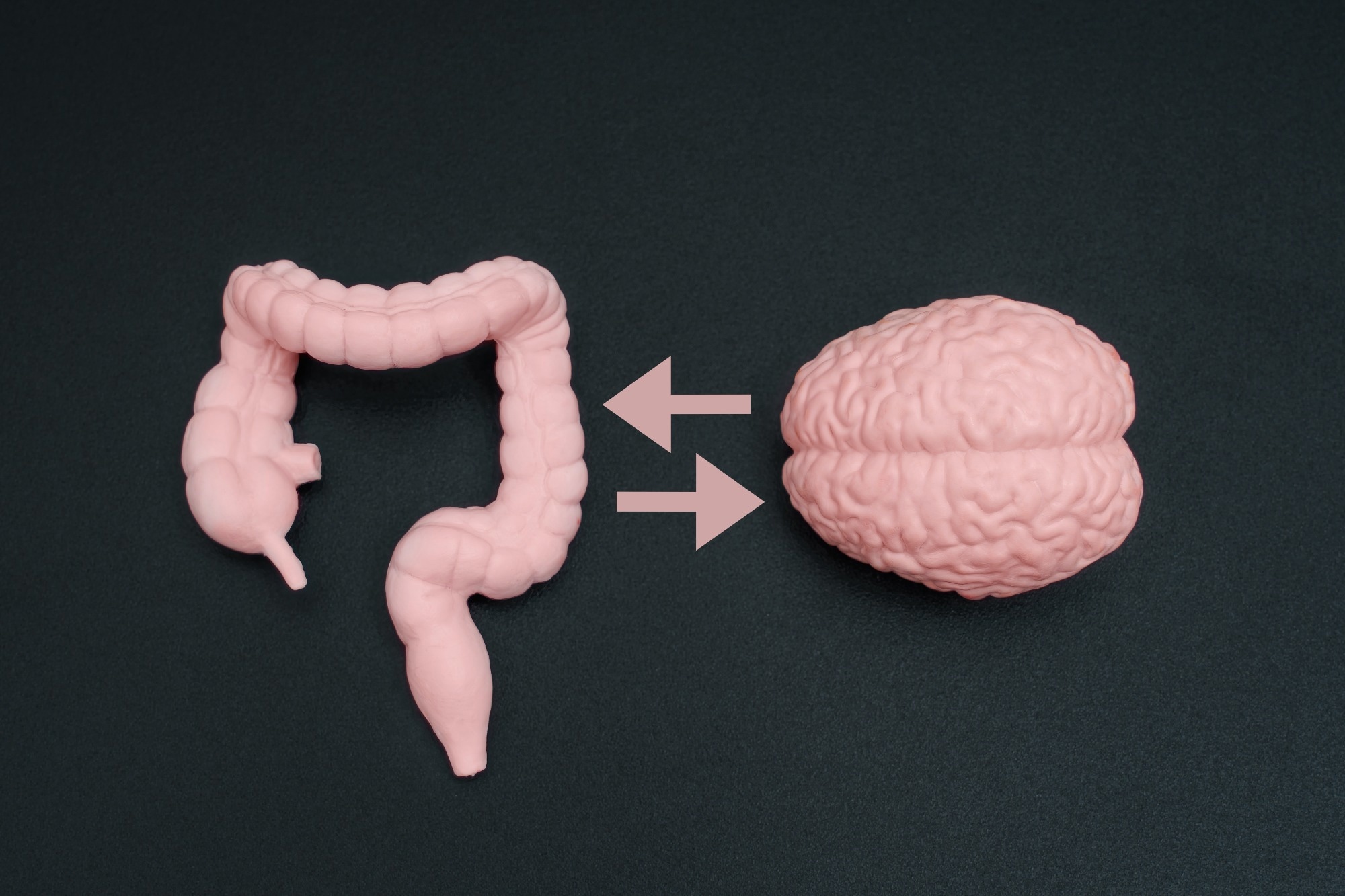 Study: Intestinal interoceptive dysfunction drives age-associated cognitive decline. Image credit: Chizhevskaya Ekaterina/Shutterstock.com
A new study published in Nature provides insights into the aging gut microbiome's role in cognitive decline in mice. Using a detailed lifespan analysis in mice, researchers identified a microbiome–brain signaling pathway linking microbial changes to age-related memory impairment.
The accumulation of the age-associated gut bacterium Parabacteroides goldsteinii, identified as a key contributor, which produces medium-chain fatty acids (MCFAs), was associated with immune activation, disrupted vagal gut-to-brain signaling, and weakened vagal communication with the brain. This cascade ultimately blunts hippocampal novelty responses and impairs memory encoding.
Encouragingly, targeted interventions restored cognitive function in older mice, highlighting several peripheral intervention points that improved memory.
Aging Gut Microbes Linked to Memory Decline Pathway
Age-related memory decline is a widespread and highly variable feature of aging, with significant implications for overall well-being. While much attention has focused on changes within the brain, growing evidence points to the influence of peripheral signals, particularly from the gut. The hippocampus, a key region for memory formation and recall, shows reduced capacity to encode new information with age, though the underlying drivers remain unclear.
Emerging research highlights the gut microbiome as a potential modulator of cognitive function. However, the pathways linking microbial signals to memory-related brain circuits are unclear.
Multi-Layered Experiments Map Microbiome–Brain Communication Pathway
In the present study, researchers combined complementary approaches to trace the microbiome-mediated gut–brain axis linking microbial aging to cognitive decline in mice.
The team first reshaped microbial communities through co-housing, microbiota transplantation, antibiotic treatment, and controlled bacterial colonization, while longitudinal stool sampling enabled lifespan metagenomic and proteomic profiling, along with additional microbiome analyses, including 16S sequencing to examine age-related changes. They then related these shifts to physiological status and cognition using frailty scores alongside behavioural tests such as the Barnes maze, novel object recognition (NOR), and open-field assessments.
To uncover underlying mechanisms, the investigators integrated metabolomic analyses with targeted interventions. They isolated and profiled microbial metabolites using liquid chromatography-mass spectrometry (LC–MS) and evaluated their functional effects, alongside pharmacological modulation of neural and immune pathways using several agents. These included capsaicin, cholecystokinin, glucagon-like peptide-1 (GLP-1) agonists, and receptor antagonists. The researchers further examined immune contributions through antibody-based approaches and myeloid cell–targeting strategies.
Lastly, advanced imaging, chemogenetic, and surgical techniques enabled precise mapping of gut–brain communication. They paired two-photon imaging of vagal neurons, whole-animal imaging, and selective neuronal manipulations with molecular analyses. Molecular investigations included ribonucleic acid (RNA) sequencing, flow cytometry, and immunohistochemistry (IHC).
These approaches connected microbial signals with hippocampal function. Together, the integrated methods enabled the team to define functional links between microbial changes, immune signaling, and neural circuits underlying memory decline.
Aged Microbiome and P. goldsteinii Impair Memory
Exposure to an aged microbiome was sufficient to significantly impair cognition in young mice. One month of co-housing with older animals reduced short-term memory in the NOR test, an effect that persisted over time and was confirmed in the Barnes maze, without altering physical health or exploratory behaviour.
Microbiota transplantation produced similar deficits, while germ-free mice remained protected, indicating that microbial, not social factors, drove the effect. Notably, antibiotic treatment both prevented and reversed memory impairment in young and aged mice, highlighting the reversibility of microbiome-driven effects.
Longitudinal profiling revealed extensive age-related shifts in microbial composition, with Parabacteroides goldsteinii emerging as a key candidate linked to cognitive decline. Colonization with this species impaired memory, whereas other age-associated bacteria had no effect. Mechanistically, microbiome aging suppressed hippocampal neuronal activation, as evidenced by reduced FOS responses, without altering neurogenesis or structural plasticity.
Further experiments identified disrupted vagal sensory signaling as a critical link. Inhibition of vagal sensory neurons mimicked cognitive decline, while activation, using capsaicin or gut peptides such as cholecystokinin and GLP-1, restored memory and hippocampal activity.
At the molecular level, P. goldsteinii produced MCFAs, which impaired cognition by activating G protein-coupled receptor 84 (GPR84)-dependent inflammatory responses in peripheral myeloid cells. Blocking this pathway, depleting myeloid cells, or neutralizing inflammatory cytokines rescued cognitive function.
Finally, targeted bacteriophage treatment reduced microbial metabolite levels and improved memory, highlighting the therapeutic potential of modulating microbiome-driven gut–brain signaling in age-associated cognitive decline in mice.
Peripheral Inflammation and Gut Signals Reshape Cognitive Aging
The findings delineate a microbiome-driven pathway linking P. goldsteinii, microbial metabolites, peripheral immune activation, and impaired gut–brain signaling to age-related memory decline. By highlighting the role of interoceptive dysfunction, the study shifts attention toward brain-extrinsic drivers of cognitive aging and identifies multiple targets for peripheral intervention, including microbial composition, GPR84 signaling, and vagal activity.
Importantly, the results suggest that low-grade peripheral inflammation, rather than central nervous system pathology alone, may be sufficient to disrupt cognition. This suggests that modulating gut-derived signals or enhancing vagal function could counteract cognitive decline.
However, key questions remain regarding the precise neural circuits involved, the mechanisms linking chronic inflammation to vagal dysfunction, and the relevance of these findings in humans. Future research should explore interoceptomimetics and vagus-directed therapies as potential strategies to preserve memory during aging.
Download your PDF copy by clicking here.
Journal Reference
Cox, T.O., Devason, A.S., de Araujo, A. et al. (2026). Intestinal interoceptive dysfunction drives age-associated cognitive decline. Nature, DOI: 10.1038/s41586-026-10191-6. https://www.nature.com/articles/s41586-026-10191-6
 Uncovering Plant Discrimination and Dose Responses to Beneficial Soil Microbes