By turning chlorophyll into a physical crosslinker, researchers created highly compressible hydrogels and squeezed a 36-mm conductive heart patch through a 5.5-mm opening.
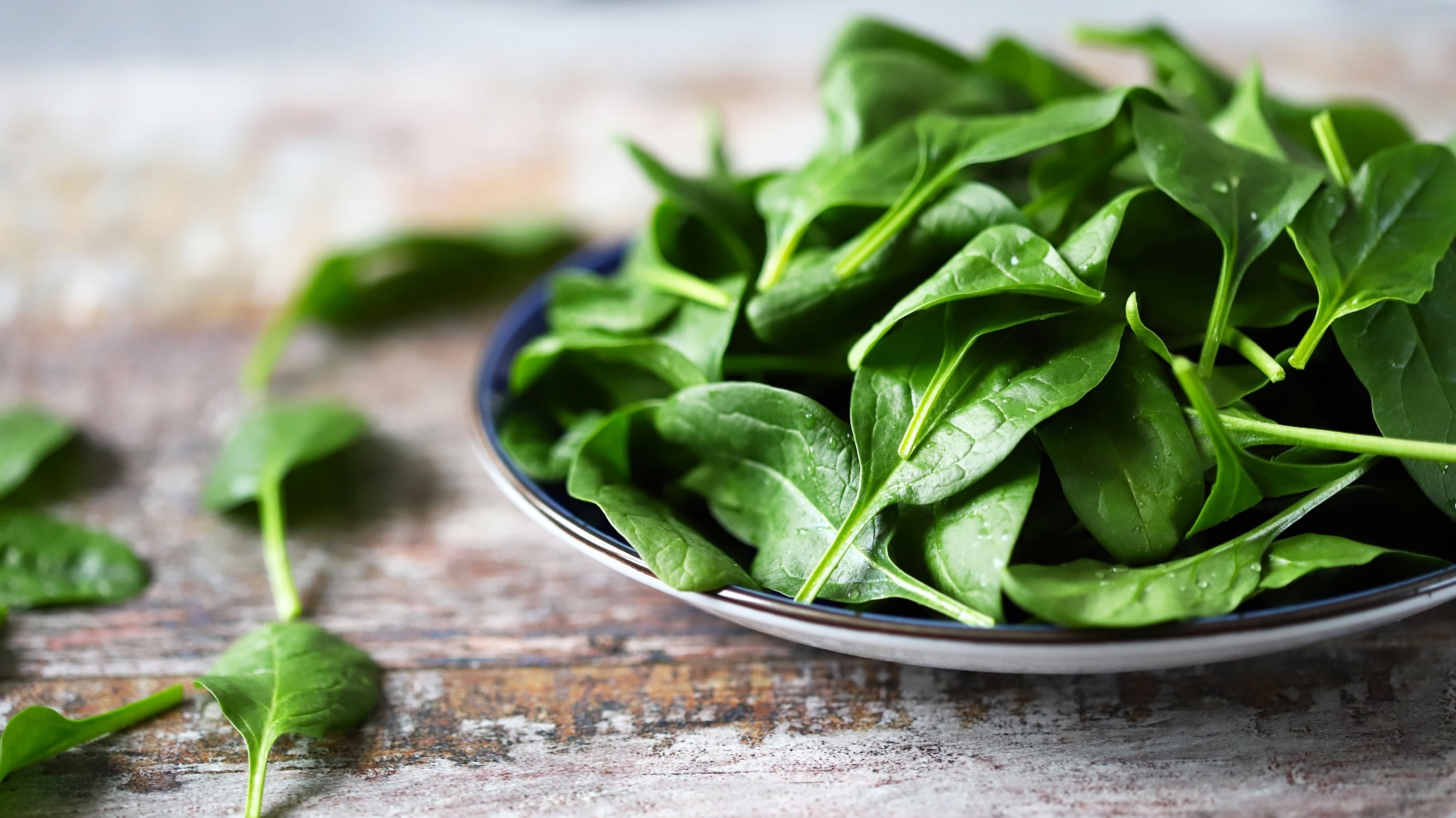 Study: Chlorophyll as a sustainable crosslinking strategy for engineering highly compressible hydrogels. Image credit: Chatham172/Shutterstock.com
Researchers have long been fascinated by the elasticity of creatures such as jellyfish, sea slugs, and earthworms, and have tried to mimic their soft, flexible properties to develop materials for medical and robotic applications.
In a recent study published in Nature Communications, a team of researchers from China developed a water-rich gel using chlorophyll as a physical cross-linker, which could withstand extensive compression. They used the hydrogel to create an injectable cardiac patch and tested it in animal models to see whether it could help repair injured hearts.
Hydrogels in Medicine
Hydrogels are networks of polymer chains that hold large amounts of water, and researchers are exploring them to repair damaged tissue. Minimally invasive delivery of tissue-repairing materials can lower surgical risk and cost, but it requires materials that return to their original shape after extensive compression. Producing such highly elastic hydrogels requires intricate chemistry and demanding fabrication steps.
Cardiac patches to repair injured heart muscle after a heart attack are one such application of hydrogels. However, previous approaches to injectable cardiac patches have faced size limitations, sometimes requiring several smaller overlapping pieces. This complicates the procedure and could result in non-uniform electrical conductivity. This limitation highlights the need for more elastic hydrogels for use in minimally invasive surgeries.
The Current Study
In this study, the researchers extracted chlorophyll from fresh spinach and used nuclear magnetic resonance and ultraviolet-visible (UV) spectroscopy to characterize the pigment. Gelatin, chemically modified with methacrylate groups to form a network through free-radical polymerization, formed the basis of the hydrogel.
The chlorophyll was dissolved in the solvent dimethyl sulfoxide (DMSO), mixed with the gelatin solution at six different ratios, and the gels were then soaked in water to replace the DMSO, a step called solvent exchange.
The team also prepared chlorophyll gels from alginate, chitosan, polyethylene glycol diacrylate, hyaluronate, and carboxymethyl cellulose to test whether the approach worked for materials other than gelatin.
Compression tests measured maximum compressive strain, and separate durability tests assessed recovery over 50 cycles at 80% strain. Other tests, such as rheology, injection through orifices of set diameters, light and X-ray scattering, and contact angle measurements, examined gel behavior and chlorophyll arrangement within them. To add electrical conductivity, selected gels were coated with dopamine and then with the conductive polymer polypyrrole, and the impedance and conductivity were measured.
Rat heart cells grown on the gels were tested for safety, growth, cardiac proteins, calcium signals, and protection against hydrogen peroxide damage. In rats with induced heart attacks, these hydrogel patches were sutured on immediately or after one week, and heart function and tissue were assessed over four weeks. Additionally, researchers injected folded patches into minipig models of heart injury, spread them over the damaged area, and secured them with their bioadhesive properties; they used ultrasound to monitor heart function for four weeks.
Chlorophyll-Loaded Hydrogels
The study found that chlorophyll turned soft gelatin gels into highly compressible materials that could be delivered through a narrow opening. These gels also improved heart function in animal models after a heart attack.
Gels without chlorophyll reached a maximum compression of about 43%, whereas chlorophyll-crosslinked gels could be compressed by more than 90% before solvent exchange and return to their shape. One gel survived an 18-kilogram cart wheel rolling over it. Gels made with standard crosslinkers compressed less, with the best reaching about 58%. Chlorophyll also improved compressibility in five other polymer types.
Additionally, light scattering showed that chlorophyll particles that were about 2 nanometers in DMSO grew to roughly 460 nanometers once water was present. The chlorophyll was also largely retained in the gels, and less than 5% was lost during 24 hours of water dialysis.
The researchers attributed the material's unusual compressibility to two effects: chlorophyll molecules clustered into reversible physical crosslinks, while solvent exchange created a porous internal structure that could deform under pressure and recover afterward.
Furthermore, a 26-millimeter gel passed through a 2.5-millimeter opening, and the larger conductive patch, which was 36 millimeters wide, passed through a 5.5-millimeter opening in the minipig models without breaking. However, the team noted that gels with the highest chlorophyll content did not recover fully after injection.
Several cardiac cell types remained more than 85% viable when cultured with gel extracts for up to 14 days. In separate experiments, chlorophyll-containing gels reduced oxidative stress in cardiomyocytes after hydrogen peroxide exposure. In rats, the chlorophyll patch increased myocardial contractility to 1.65 times that with a gelatin-only patch, and the conductive version increased electrical conduction velocity 2.2 times relative to untreated infarcted hearts.
In minipigs, ejection fraction was 50% in treated animals compared with 38% in untreated infarcted hearts. Front wall thickness also increased by 65% and scar thickness fell by 37%. Additionally, circulating inflammatory markers were lower than in untreated hearts, and histological examination of major organs showed no obvious pathological changes over the four-week study.
The approach allowed the researchers to deliver a single 36-millimeter patch, potentially avoiding the need for multiple overlapping patches used in earlier approaches. However, the minipig findings are preliminary: each experimental group included only three animals, the follow-up lasted only four weeks, and the study did not establish long-term safety or effectiveness.
Conclusion
In summary, the study showed that chlorophyll, a plant pigment, was an efficient physical crosslinker that gave hydrogels strong compressibility and shape recovery. Using animal models of heart injury, the researchers showed that a large patch made of this hydrogel and a conductive coating could be passed through a narrow opening, with treatment associated with improved measures of cardiac function and tissue repair.
The findings suggest that chlorophyll could be a low-cost, sustainable building block for soft biomaterials, with possible use in cardiac repair and other biomedical technologies. However, the approach remains preclinical and has not yet been tested for safety or effectiveness in humans.
Reference
Xu, K., Zhao, C., Liu, Y., Liu, J., Xing, X., Ojo, O. W., Wu, M., Wang, Q., Xing, M. M. Q., & Wang, L. (2026). Chlorophyll as a sustainable crosslinking strategy for engineering highly compressible hydrogels. Nature Communications. DOI:10.1038/s41467-026-77673-z https://www.nature.com/articles/s41467-026-77673-z
 Chronic Inflammation Linked to Heart Changes and Risks