New industry data suggest that while raw meat can occasionally harbor C. perfringens, commercial cooking and cooling controls keep ready-to-eat products well below levels associated with illness.
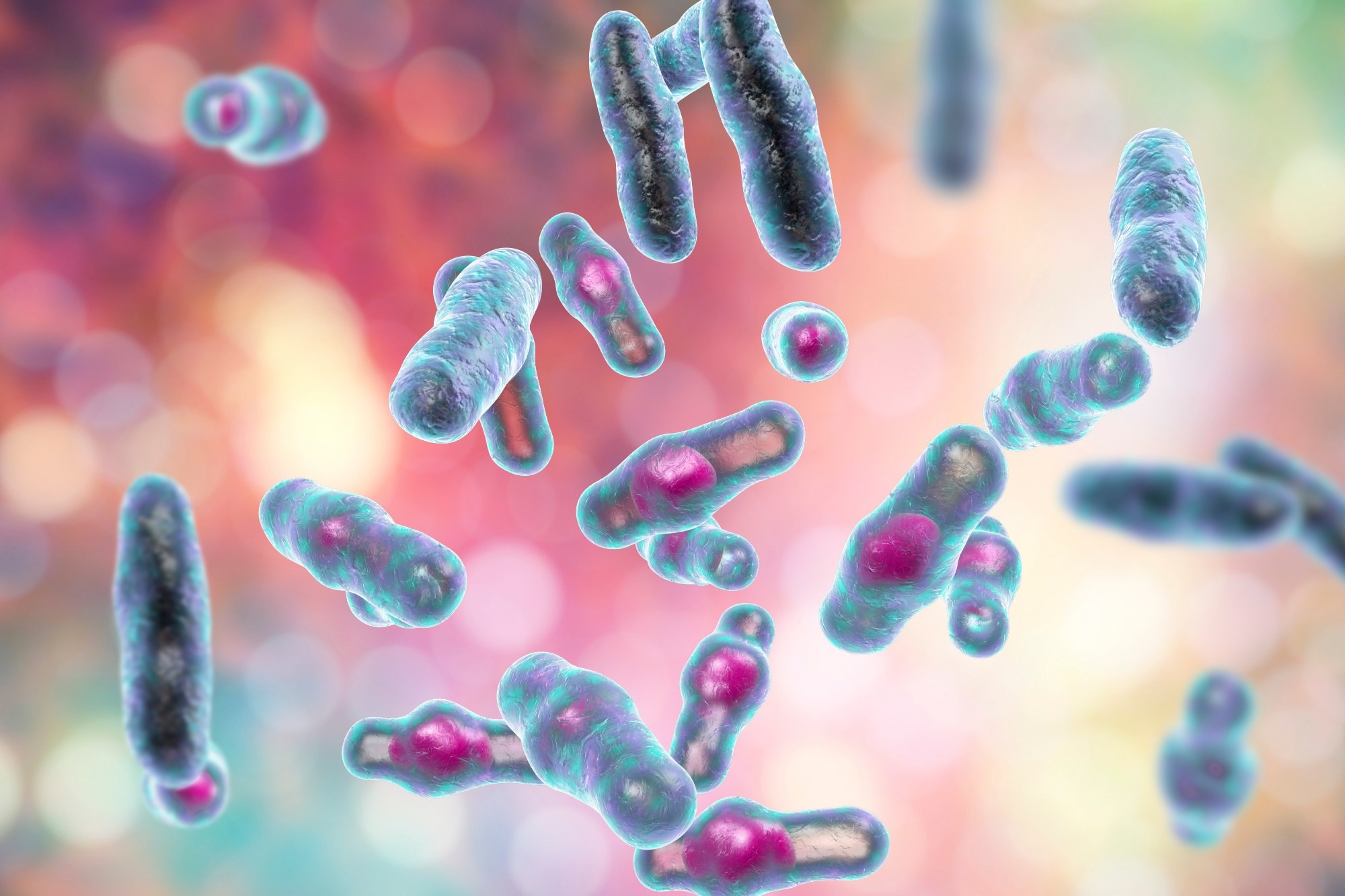
Research: Estimation of the Prevalence of Clostridium perfringens in Raw, Heat-Treated, and Fully Cooked Processed Meat Products in the USA. Image Credit: Kateryna Kon / Shutterstock
Foodborne illness linked to meat products affects thousands of people in the United States (U.S.) each year. The bacterium Clostridium perfringens is a major contributor to foodborne illnesses involving meat, especially when cooked foods are cooled improperly or not stored at optimal temperatures.
In a recent study published in the Journal of Food Protection, researchers from the University of Wisconsin examined the frequency of detecting C. perfringens in raw and ready-to-eat meat products and assessed the likelihood that it could reach levels capable of causing illness.
Foodborne Illnesses
Clostridium perfringens is a Gram-positive, anaerobic spore-forming bacterium that can cause toxicoinfection when high numbers of enterotoxin-producing vegetative cells are consumed, leading to gastrointestinal illness, typically diarrhea and related symptoms. The bacterium forms spores that can often survive the usual thermal cooking processes used in ready-to-eat meat production, while vegetative cells are generally heat-sensitive and can germinate if foods remain in a temperature range suitable for growth.
In the U.S., outbreaks commonly occur when cooked foods are cooled slowly or held at unsafe temperatures in food service settings, mass catering, or larger food consumption events. Therefore, the Food Code, by the Food and Drug Administration (FDA), outlines holding-temperature guidance to reduce outbreak risks in these settings.
However, there is a paucity of data in existing scientific literature on the actual prevalence of this bacterium in commercial ready-to-eat meats. More accurate information about its occurrence in raw ingredients and finished products would significantly improve risk evaluations.
The Current Study
The present study analyzed the occurrence of C. perfringens in raw materials and in partially processed and cooked or ready-to-eat meat products produced in commercial facilities in the U.S. Due to the dearth of large datasets in published studies on this topic, the researchers collected information directly from industry partners. Three large meat processing companies voluntarily contributed the microbiological data obtained during routine monitoring activities.
Company A supplied a dataset containing 7,106 records, including samples from different categories, such as ready-to-eat products, samples collected during process validation, and samples obtained during regulatory companion testing. Company B provided information for thirteen cooked, ready-to-eat products that experienced cooling deviations. This information included product formulations and detailed time–temperature chilling curves used during processing.
Lastly, company C contributed enumeration results for several product types, including 809 raw poultry samples, 170 raw bacon samples, and 2,461 cooked ready-to-eat products associated with cooling deviations. The researchers were particularly interested in raw materials because they can contain vegetative cells and spores of C. perfringens that may later survive, germinate, or grow under favorable cooling conditions.
To estimate prevalence, samples were grouped by bacterial count ranges, for example, below 1 log CFU/g, 1–2 log CFU/g, and greater. The probability of a positive sample was calculated as the ratio of positive results to the total number of samples, and confidence limits for occurrence rates were estimated using a binomial statistical approach. These calculations allowed the researchers to estimate how frequently the organism appeared across contamination ranges. The authors noted that the analysis relied on industry-supplied data from three large-volume processors, rather than a randomized national surveillance program.
Key Findings
The study found that C. perfringens was present in raw and partially processed meat products but rarely appeared at significant levels in cooked, ready-to-eat meats. Among the 2,025 samples of raw or incompletely cooked products examined in the study, most contained extremely low numbers of the bacterium.
Approximately 86.7% of the samples had counts below the test’s detection limit, while approximately 12.4% had bacterial levels between 1 and 2 log CFU/g. Only a small fraction of the samples showed higher counts: 0.69% were between 2 and 3 log CFU/g, 0.15% were between 3 and 4 log CFU/g, and 0.10% were in the 4 to 5 log CFU/g range.
The highest counts were observed in a small number of not-ready-to-eat bacon samples. Five bacon samples exceeded 4 log CFU/g, indicating that raw materials can occasionally contain relatively high numbers of C. perfringens. However, the authors suggested that higher raw counts may mainly reflect vegetative cells rather than heat-resistant spores.
Analysis of 3,141 cooked, ready-to-eat products that were not associated with processing deviations showed that none of the samples exceeded 2 log CFU/g. The same pattern appeared in an additional 2,886 cooked products tested because of cooling deviations that did not meet regulatory stabilization guidelines. Even in these samples, the bacterial counts remained below 2 log CFU/g.
Statistical analysis showed that the probability of detecting bacterial populations at 2-3 log CFU/g in ready-to-eat products was extremely low. The estimated probabilities were 0.0012 for products produced under normal conditions and 0.0013 for products with cooling deviations. These values indicated that such contamination levels occur only rarely.
Moreover, the data suggested that higher bacterial counts in raw materials mainly represent vegetative cells rather than heat-resistant spores. Cooking processes appeared to eliminate most of these vegetative cells, leaving few detectable organisms in finished products that would have limited opportunity to multiply during cooling.
Based on the calculated probabilities, the likelihood that bacterial populations could grow to approximately 8 log CFU per serving, which is the level associated with illness, was considered extremely low in commercial ready-to-eat meat production. However, the isolates were not tested for the enterotoxin gene responsible for illness, so the proportion of potentially pathogenic strains remains uncertain. The authors also noted that negative samples were not enriched to confirm the absence of contamination, and that spices, herbs, and possible growth-inhibiting ingredients were not evaluated separately.
Conclusions
Overall, the findings indicated that C. perfringens occurs infrequently in cooked, ready-to-eat meat products at levels that do not pose a health concern. Although raw materials sometimes contained measurable populations, cooking appeared to remove most vegetative cells. These results suggest that the probability of illness-associated bacterial populations developing during commercial meat product stabilization is extremely small under typical processing conditions. The authors further suggested that the current regulatory limit on allowable growth during stabilization may be conservative, although this interpretation is based on the available industry datasets.
Download your PDF copy by clicking here.
 How Dying Bacteria Protect the Colony From Antibiotics