In a study published in Nature Communications, Mayo Clinic researchers discovered particular DNA-level abnormalities in the brains of Alzheimer's patients. The researchers used advanced biological analysis to identify changes in the brain's regulatory environment, which may help explain why Alzheimer's disease appears and develops differently from person to person. The discoveries could possibly offer new options for studying other neurodegenerative diseases.
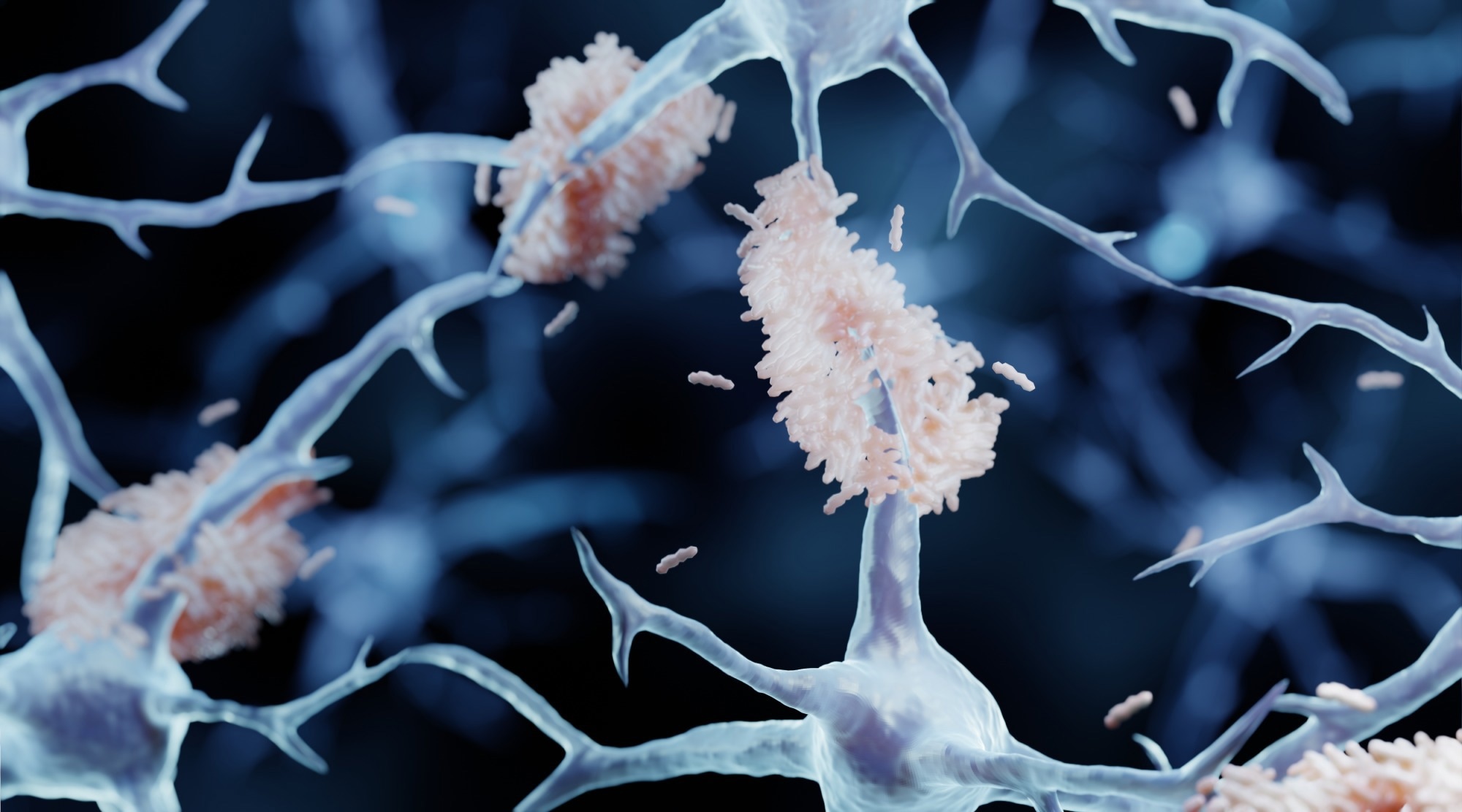 Image credit: ART-ur/Shutterstock.com
Alzheimer's disease is the leading cause of dementia. Biologically, the disease starts with the production of protein deposits called amyloid plaques and neurofibrillary tangles in the brain. Over time, brain cells die, leading to brain shrinkage.
Alzheimer’s disease affects around 6.9 million people in the United States aged 65 and older. There is no treatment, and complications in the latter stages can lead to a considerable reduction in quality of life and death.
The Mayo study team examined brain tissue from 472 patients with Alzheimer's and investigated patterns of DNA methylation – a form of chemical "tag" on DNA – across the genome. These samples provide precise assessments of Alzheimer's-related alterations, including both visible brain abnormalities observed under a microscope and levels of essential AD proteins.
While our study findings are impactful by themselves, we did not want to stop there and sought to make both our data and results available to the research community in a way that also protects donor identities. We wanted to do this because relatively few groups have the expertise to analyze such big data and derive biological insights.
Nilüfer Ertekin-Taner, MD, PhD, Study Senior Author and Chair, Neuroscience, Mayo Clinic
Uncovering a Myelin-Related Pathway in AD
The findings imply that in Alzheimer's disease, alterations in DNA tagging may influence oligodendrocyte function, notably in connection to the development of the deadly protein tau.
The brain cells that insulate nerve cells and facilitate nerve cell communication, forming the myelin, are called oligodendrocytes. Researchers have hypothesized that AD symptoms are partly caused by interference with neuron connectivity.
The tau protein was found to be linked to almost all major methylation alterations, which are tiny chemical tags attached to DNA that help control when genes are switched on or off. This supports the theory that this protein plays a key role in the brain cell changes associated with AD.
Our team has previously shown that oligodendrocytes are affected in Alzheimer's and another tau-related disease, progressive supranuclear palsy (PSP). These new results further highlight that problems in oligodendrocytes and myelin are central to AD. They also point to specific molecular pathways, particularly epigenetic changes, that could be targeted in future therapies.
Nilüfer Ertekin-Taner, MD, PhD, Study Senior Author and Chair, Neuroscience, Mayo Clinic
Without changing the genetic code itself, epigenetic modifications – chemical tags on DNA – help regulate how genes are expressed, or turned on or off. Since these alterations might be reversible and affect how brain cells function, they offer intriguing targets for future Alzheimer's treatments.
Opening the Door for Future Research
The study's findings revealed additional genes that may play a role in AD, including LDB3, and verified numerous findings across multiple independent datasets, demonstrating its reliability. The discovery of individual genes enables further research; for example, scientists may investigate whether medicines that reverse methylation or promote oligodendrocyte health can halt or alter disease progression in AD patients.
The Mayo study team also created an interactive tool to aid with digital searching of the dataset. This free application, called the Multiomic Atlas of AD Brain Endophenotypes, aims to make information more available and facilitate future study into AD and neurology. The dataset may be searched by gene name or chromosomal position, with results displayed in both tabular and interactive figure forms.
While this effort will continue to affect research, it will have an impact beyond the Mayo Clinic and serve as a vital resource for scientists throughout the world.
To build on our understanding of Alzheimer’s disease and work toward helping people living with the disease, it is crucial that other researchers can easily access the comprehensive analyses we performed in this study. This shared access can amplify the impact of our research across different scientific fields and ultimately benefit patients.
Stephanie Oatman, Study Lead Author and PhD Student, Mayo Clinic
Source:
Journal reference:
Oatman, S. R. et.al. (2026) Integrative epigenomic landscape of Alzheimer’s Disease brains reveals oligodendrocyte molecular perturbations associated with tau. Nature Communications. DOI: 10.1038/s41467-026-68864-9. https://www.nature.com/articles/s41467-026-68864-9.
 New Open-Source Resource Maps Adolescent Brain Development Across Large Datasets