According to recent studies, mutations in immune cell DNA that eliminate the immune system's natural brakes may be the cause of autoimmune disorders. It uncovers an undiscovered role for somatic mutations, DNA alterations acquired throughout life, in diseases other than cancer.
 Image credit: Anusorn Nakdee/Shutterstock.com
Using a number of state-of-the-art methods, researchers from the Wellcome Sanger Institute, Cambridge University Hospitals NHS Foundation Trust (CUH), the University of Cambridge, and their partners identified previously unreported DNA alterations linked to thyroid autoimmunity, a condition in which the immune system targets the thyroid gland.
The findings, published in Nature, may alter understanding of autoimmune illnesses and offer a route forward for precision therapy.
The phrase "autoimmune disease" refers to a broad category of illnesses in which the body's own healthy cells are mistakenly attacked by the immune system because it thinks they are foreign pathogens. Multiple sclerosis, lupus, rheumatoid arthritis, and type 1 diabetes are a few examples. Five to ten percent of people worldwide suffer from autoimmune illnesses, yet little is known about their molecular causes.
DNA alterations that develop in human cells throughout time and are not inherited are known as somatic mutations. They are the cause of cancer and have long been thought to play a role in other illnesses. However, it has proven technically difficult to study these mutations outside the context of cancer. They can now be studied across diseases, thanks to recent developments in DNA sequencing techniques, some of which have been led by the Sanger Institute during the past ten years.
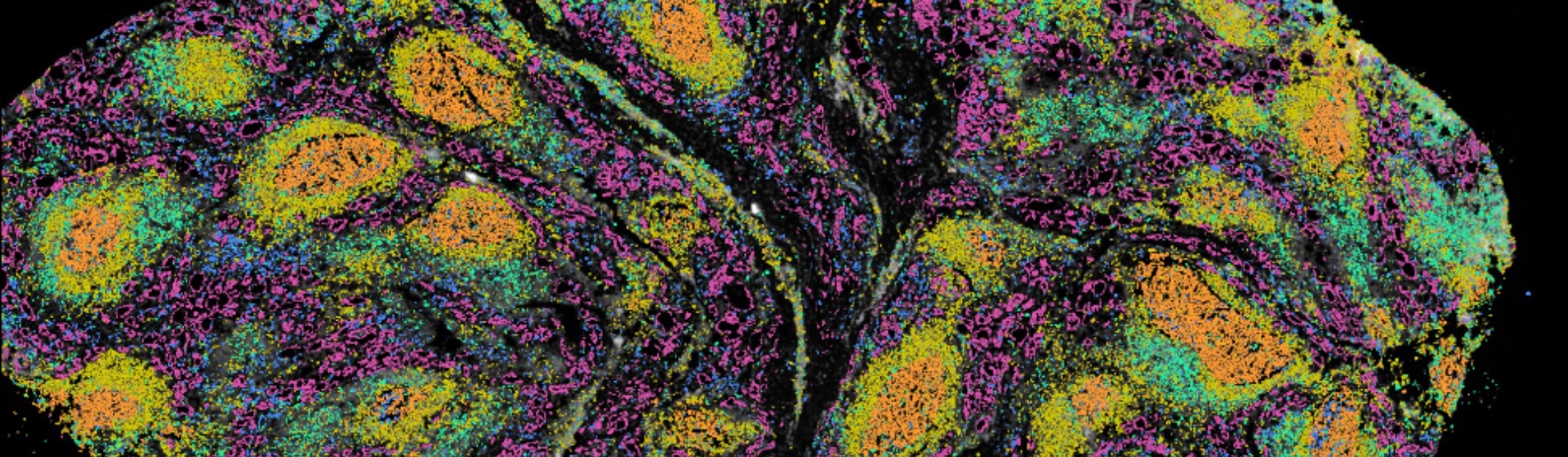 Image Credit: Wellcome Sanger Institute
Since the 1950s, some researchers have hypothesized that somatic mutations in lymphocytes, which are white blood cells that include B cells, may release the immune system's brakes, enabling it to target the body's own tissues during autoimmunity. Autoimmune illnesses are caused by a variety of immune cell groups working together, in contrast to cancer, which often begins when a single altered cell expands uncontrollably into a tumor. The search for mutations in lymphocytes has been challenging due to this intricacy.
In a recent study, scientists from the Sanger Institute and their partners put this theory to the test by examining whether somatic mutations cause illnesses other than cancer using a number of state-of-the-art techniques. The researchers investigated thyroid autoimmune disease, collecting samples from consenting patients with Hashimoto's and Graves' disease, the primary causes of thyroid dysfunction in the general population.
The scientists employed a number of sophisticated DNA analysis methods. First, they searched for genetic alterations that might cause the illness using a technique they recently invented, NanoSeq, which enables the discovery of rare mutations missed by conventional DNA sequencing. They discovered that a large number of B cells had inactivating mutations in important genes that typically regulate the immune system.
The researchers next discovered that numerous B cells in each patient had several mutations in important genes using further techniques that examine the DNA of individual cells and microscopic regions of tissue. TNFRSF14 and CD274 (or PDL1), two important immune-checkpoint genes, were frequently deleted separately in several clones of altered B cells in each patient.
A completely surprising finding outside of cancer was that some of these clones had even accumulated up to six driver mutations over many years, quietly accumulating DNA alterations before symptoms manifested.
Importantly, thyroid autoimmunity is known to result from the artificial silencing of these genes during cancer treatment or in experimental investigations. Researchers have now shown that patients with autoimmune diseases frequently harbor mutations in these genes.
This study uncovers a hidden world of somatic evolution in B cells during autoimmunity and offers the most compelling proof to date for an important role of somatic mutations in a common autoimmune disease.
To determine whether these mutations are the underlying cause of autoimmune disease or only exacerbate it over time, further investigation is needed. Similar outcomes in other autoimmune disorders have also been observed by the research team, but these are early findings that require further research.
“Autoimmune diseases are currently treated by broadly suppressing the immune system, which can leave patients vulnerable to infections as well as a long list of other complications. If these findings are confirmed, they could eventually enable more precise diagnoses and treatments, leading to better patient outcomes,” adds Dr Pantelis Nicola, co-first author formerly of the Wellcome PhD Programme for Clinicians in Cambridge, and currently a Clinical Lecturer at The Christie in Manchester
Our study suggests that somatic mutations in immune cells may play an important role in autoimmune disease, an idea first proposed in the 1950s that we have lacked the techniques to investigate. Now that we have NanoSeq, which we developed in the last few years, we can study somatic mutations with ultra-high accuracy and explore their contribution to autoimmune diseases, not just cancer.
Dr. Andrew Lawson, Study Co-First Author, Wellcome Sanger Institute
“This is a huge leap forward into the pathogenesis of autoimmune disease. It changes everything and explains so much that was up in the air. It reminds me of when NASA fixed the optics on the Hubble Telescope: suddenly all the stars and galaxies are crystal clear, and there is a lot more going on than we had ever imagined,” notes Professor Chris Goodnow, Bill and Patricia Ritchie Chair, Professor at the Garvan Institute and University of New South Wales Sydney, who was not involved in the study but has pioneered the study of somatic mutations in autoimmunity for the last 20 years.
For decades, researchers have wondered whether somatic mutations might contribute to autoimmune disease, but evidence has been elusive. Our findings suggest this process is far more widespread than we anticipated. While we need further studies to confirm the role of these mutations, this work could mark the beginning of a new phase in understanding autoimmune disease.
Dr. Iñigo Martincorena, Study Senior Author, Wellcome Sanger Institute
Source:
Journal reference:
Nicola, P. A., et al. (2026). Polyclonal selection of immune checkpoint mutations in thyroid autoimmunity. Nature. DOI: 10.1038/s41586-026-10493-9. https://www.nature.com/articles/s41586-026-10493-9.
 Prime Editing Generates Genomic Ticker Tapes Tracing Millions of Developing Cells