Cancer treatments and other delicate medical procedures might one day be performed using tiny microrobots, precisely directed within the body, according to a new magnetic tool created by scientists.
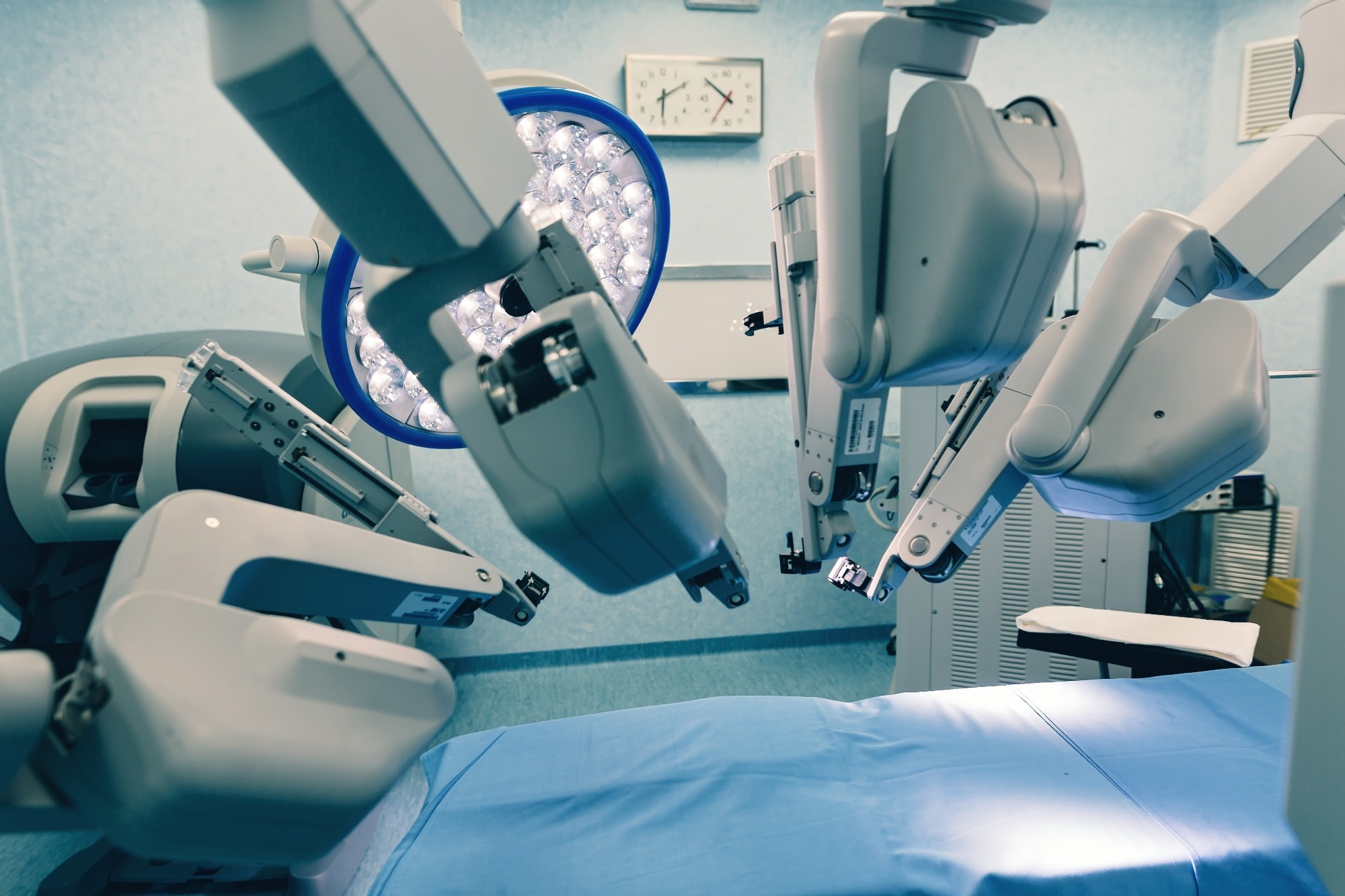 Image credit: MAD.vertise/Shutterstock.com
The University of Essex's Robotics for Under Millimetre Innovation (RUMI) Lab created the Tuneable Magnetic End Effector (TME), which generates magnetic fields that can be controlled, sculpted, and redirected with great accuracy.
It introduces a new era of tailored and minimally invasive healthcare, which has the potential to reshape how medical treatments and procedures are performed.
This involves deploying magnetic micro-robots to deliver drugs directly to diseased and difficult-to-reach cancer tissues, which improves treatment accuracy, reduces harm to healthy tissue, and limits the adverse effects associated with traditional therapies such as chemotherapy.
Magnetic microrobotics offer a promising route toward more precise and less invasive medicine. Our system provides a new way to control miniature magnetic devices with greater flexibility, allowing us to manipulate individual tools, soft robotic structures and even particle swarms within the same platform. In the long term, this could support targeted therapies for diseases such as cancer and enable new forms of minimally invasive intervention.
Dr. Ali Hoshiar, Head, RUMI Lab, University of Essex
Mounted on robotic arms and controlled by AI-based models, the TME can move miniature medical equipment, soft robotic instruments, and magnetic particle swarms in a controlled manner throughout an area.
Clinicians will eventually be able to employ wirelessly controlled small devices to perform surgeries and delicate medical procedures.
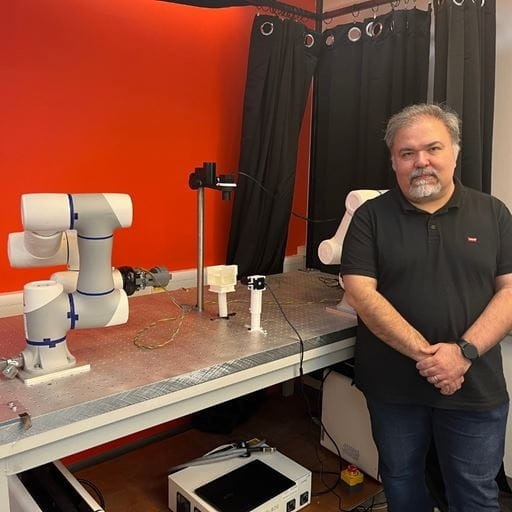
Image Credit: University of Essex
The TME system, described in the journal Nature Communications Eng, can consistently switch its magnetic field on and off, with real-world trials matching computer simulations.
Researchers tested it by moving small magnetic objects down branching courses, sculpting soft magnetic robots, and manipulating groups of tiny magnetic particles.
By combining two TMEs, they were able to establish distinct areas with differing magnetic control in the same space, increasing the system's flexibility.
Unlike other systems that require continual electrical power, the TME employs permanent magnets that could be manipulated to alter the magnetic field. This makes it smaller, more efficient, and easier to manage, which is ideal for sensitive medical applications.
The team plans to continue developing and testing this technology in more realistic medical circumstances, with the ultimate goal of increasing magnetic control for future microrobots used in healthcare.
Source:
Journal reference:
Abolfathi, K., et al (2026) The formation of circumbinary planets through disc fragmentation. Communications Engineering. DOI: 10.1038/s44172-026-00629-0. https://www.nature.com/articles/s44172-026-00629-0.
 Colorectal Cancer and Nerve Damage: A Hidden Link Uncovered in Mice and Primates