According to a recent study, a protein best known for fueling cancer development also aids in the survival of damaged tumor cells by repairing their DNA, which might impact how certain cancers are treated.
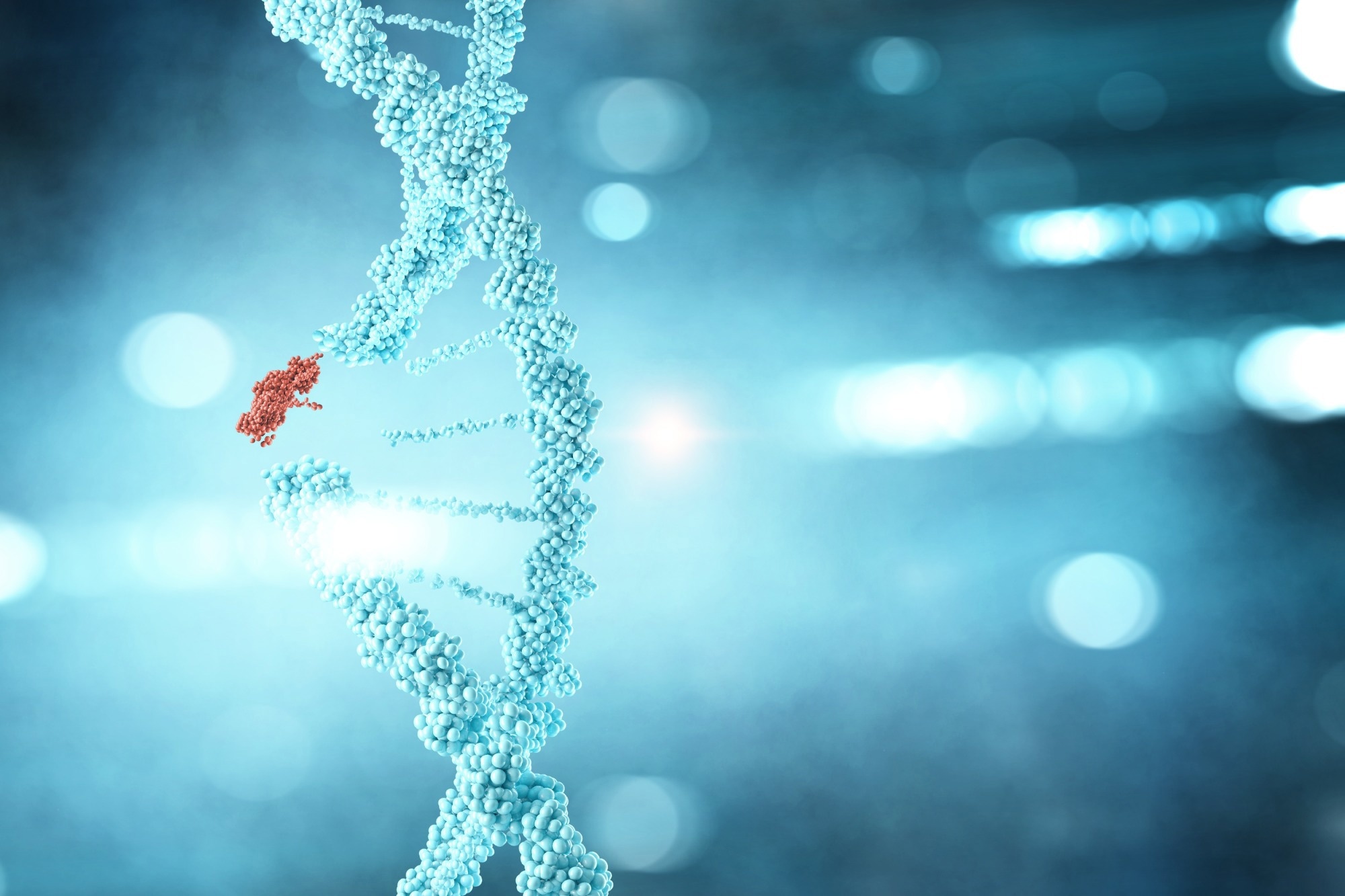 Image credit: Sergey Nivens/Shutterstock.com
Researchers at Oregon Health & Science University discovered that the protein MYC, which is overactive in most human cancers, directly participates in repairing harmful DNA breaks. The protein may help cancer cells survive chemotherapy and other DNA-damaging therapies, contributing to tumor resistance and poor patient outcomes.
The findings, published in Genes & Development, might pave the way for new drugs that improve cancer treatments by inhibiting the repair process.
Our work shows that MYC isn’t just helping cancer cells grow – it’s also helping them survive some of the very treatments designed to kill them.
Rosalie Sears, PhD, Study Senior Author and Krista L. Lake Chair, Cancer Research, Oregon Health & Science University
These findings are particularly relevant for aggressive cancers like pancreatic cancer, where MYC activity is often very high. Tumor cells in these cancers experience significant DNA damage and replication stress, yet they continue to survive and grow. Our work suggests that MYC helps these cells cope with that stress by actively promoting DNA repair.
Gabriel Cohn, PhD, Postdoctoral Researcher, University of Würzburg
MYC is one of the most extensively investigated cancer-related proteins since it is overactive in the majority of human cancers. For decades, scientists have known that MYC functions inside the cell’s nucleus to activate genes, boosting growth and metabolism.
However, the new study shows an unexpected role: When DNA is damaged, whether due to the stresses of fast development or chemotherapy, a modified version of MYC travels directly to the damaged DNA and recruits repair machinery.
Sears added, “This is a nontraditional, or non-canonical, role for MYC. Instead of controlling gene activity, it’s physically going to sites of DNA damage and helping bring in repair proteins.”
This capacity enables cancer cells to repair DNA damage and survive in situations that would normally kill them.
DNA Damage
While DNA repair is often a healthy process, it becomes troublesome in cancer treatment. Many conventional therapies, including chemotherapy and radiation, act by severely disrupting DNA, preventing cancer cells from surviving. If MYC helps cancer cells repair the damage, therapies may become less effective.
“Cancer therapies often depend on overwhelming tumor cells with DNA damage. If a cancer cell is very good at fixing that damage, it can survive treatment and keep growing,” Sears further stated.
According to the study, cells that had an active, altered form of MYC were more capable of mending DNA and had a higher chance of surviving stressful situations, such as being exposed to substances that damage DNA.
The impact was particularly noticeable in pancreatic cancer, one of the deadliest malignancies. Using patient-derived pancreatic cancer cells and tumor data, the researchers discovered that tumors with high MYC activity exhibited enhanced DNA repair and were associated with worse patient outcomes.
The results provide light on why certain tumors withstand chemotherapy and radiation, both of which cause DNA damage to cancer cells. MYC-driven tumors can survive treatments that would normally kill them by quickly mending the damage.
Sears stated, “In pancreatic cancer, MYC appears to help tumors tolerate extreme stress. That stress comes from rapid growth, from poor blood supply, and from chemotherapy.”
Precise Target
Importantly, the finding supports OHSU's current efforts to target MYC in cancer patients, which were previously considered to be unachievable.
MYC is frequently referred to as “undruggable,” which means that its structure is not susceptible to drug binding and is difficult to inhibit safely without damaging normal cells. However, Sears and her colleagues hope that the newly found repair-related activity could offer a more specific target.
MYC is one of the two most important oncogenes in all of human cancer. If we can interfere with MYC’s role in DNA repair – without shutting down everything MYC does in healthy cells – we may be able to make cancer cells more vulnerable to treatment.
Rosalie Sears, PhD, Study Senior Author and Krista L. Lake Chair, Cancer Research, Oregon Health & Science University
At OHSU, researchers are already investigating a first-in-class MYC inhibitor in a “window of opportunity” trial, a short-term study in which people with advanced pancreatic cancer are biopsied before and after taking a drug called OMO-103, with the goal of learning how blocking MYC affects tumors in real patients.
Source:
Journal reference:
Cohn, G. M., et al. (2026) MYC serine 62 phosphorylation promotes its association with DNA double-strand breaks to facilitate repair and cell survival under genotoxic stress. Genes & Development. DOI: 10.1101/gad.352832.125. https://genesdev.cshlp.org/content/early/2026/05/14/gad.352832.125.
 Targeted Y Chromosome Deletions Disrupt Key Cellular Immune Response Pathways