By rewiring central metabolism and relieving malonyl-CoA bottlenecks, researchers turned a common lab bacterium into a scalable platform for producing pharmacologically promising plant compounds, offering a sustainable alternative to extraction from vulnerable species.
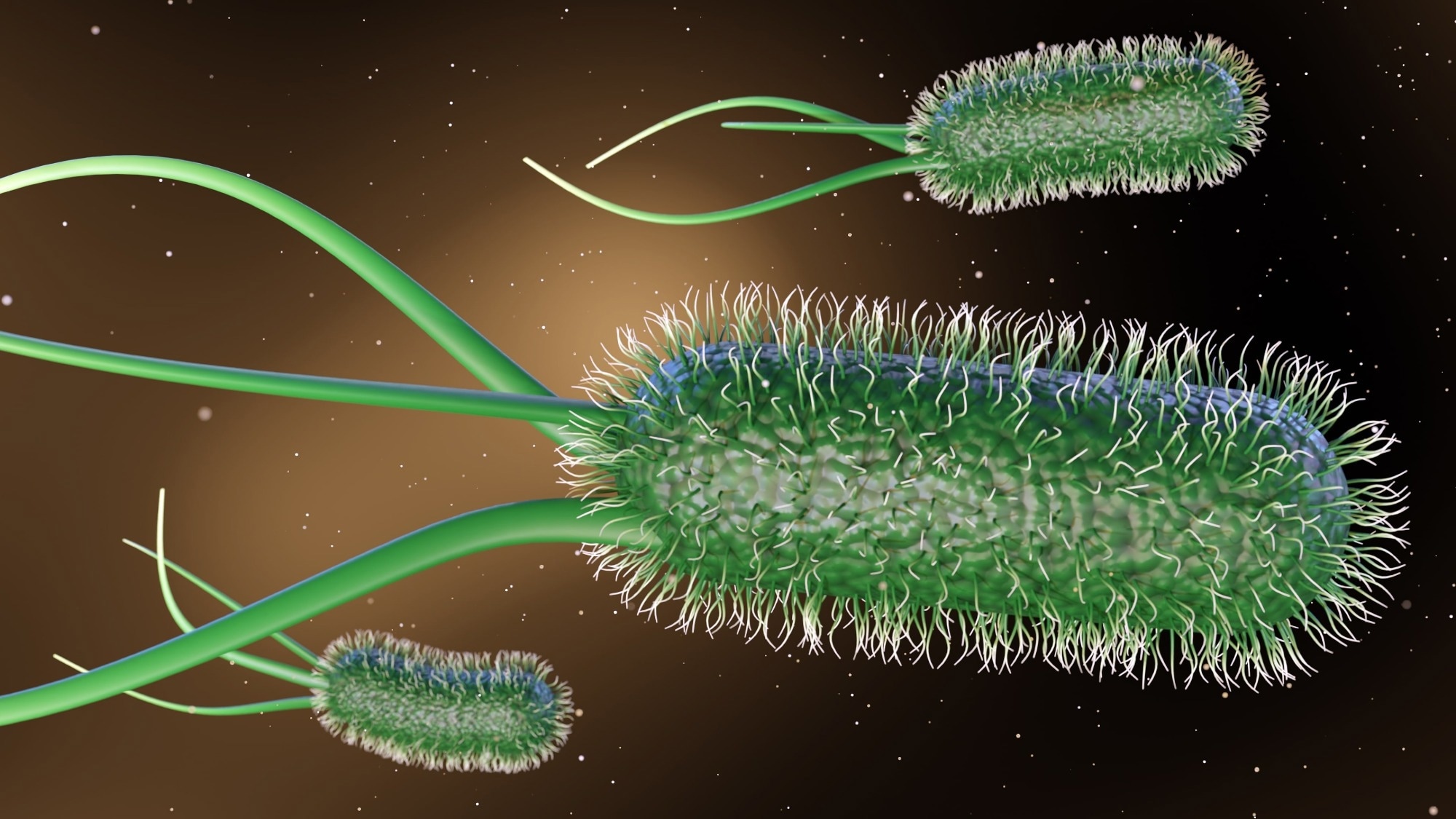 Image credit: Love Employee/Shutterstock.com
In a recent study published in Metabolic Engineering, researchers report a promising microbial strategy for producing orsellinic acid (OSA)– derived meroterpenoids, plant secondary metabolites known for their notable pharmacological potential.
Traditional extraction of OSA from Rhododendron species is often limited by weather variability, inconsistent yields of compounds, and complex purification steps, thereby reducing overall efficiency. To address these challenges, the team engineered Escherichia coli to synthesize pharmacologically active compounds from OSA precursors. By overcoming key metabolic bottlenecks and optimizing precursor supply pathways, they increased OSA yield by 145-fold under optimized cultivation conditions, reaching 202 mg/L. However, this level remains below what would typically be required for industrial-scale production.
Engineering Bacteria to Replace Plant Extraction
Meroterpenoids are structurally diverse natural compounds that have gathered increased scientific interest as potential drug discovery leads due to their broad biological activities. In particular, OSA–derived meroterpenoids, including grifolic acid (GFA), daurichromenic acid, capitachromenic acid, and anthopogochromenes, have demonstrated anticancer, anti-human immunodeficiency virus (anti-HIV), antidiabetic, and anti-inflammatory effects.
Despite their therapeutic promise, efforts to increase production efficiency using microorganisms have remained limited, with previously reported OSA titers reaching only minimal levels. Most strategies have focused primarily on introducing biosynthetic genes, without systematically addressing metabolic constraints such as insufficient acetyl-CoA and malonyl-CoA supply in strains engineered for high OSA production. Overcoming these precursor limitations is considered essential for achieving high OSA titers and enabling scalable biosynthesis of meroterpenoids from OSA.
Rebuilding the OSA Pathway in E. coli
In the present study, researchers engineered Escherichia coli for de novo OSA biosynthesis to establish a microbial platform for producing OSA–based meroterpenoids. Since OSA is synthesized from acetyl-CoA and malonyl-CoA, they hypothesized that limited precursor availability constrained production.
The team first introduced multiple polyketide synthase (PKS) genes, including three Type I PKSs and a plant-derived Type III PKS from Rhododendron dauricum, into E. coli strains to evaluate OSA synthesis. While the Type I PKS constructs did not yield detectable OSA under the tested conditions, co-expression of the Type III PKS ORS with the cyclase OAC ultimately enabled production.
They hypothesized that increasing the supply of malonyl-CoA or acetyl-CoA is essential for boosting OSA production. Thus, they used clustered regularly interspaced short palindromic repeats (CRISPR) interference (CRISPRi) to knock down genes that potentially influence precursor availability. The targeted genes are involved in acetate synthesis (poxB, pta), chorismate metabolism (pabA), and fatty acid regulation (fadR). Real-time quantitative polymerase chain reaction (RT-qPCR) confirmed gene repression efficiency.
Subsequently, the researchers profiled intracellular metabolites using metabolomics to identify bottlenecks in central carbon metabolism. Metabolome data showed that malonyl-CoA levels were substantially lower than those of acetyl-CoA and became nearly depleted after induction, indicating it is a critical limiting precursor. Based on the findings, they enhanced acetyl-CoA and malonyl-CoA availability by overexpressing acetyl-CoA carboxylase (ACC) from Corynebacterium glutamicum, pantothenate kinase from Pseudomonas putida, and adenosine triphosphate (ATP)-citrate lyase from Aspergillus nidulans.
The team systematically optimized culture conditions, including medium composition, carbon source, temperature, and IPTG concentration. They conducted cultivation using an optimal combination of TB medium supplemented with 40 grams per liter glucose, 0.2 millimolar Isopropyl-D-1-thiogalactopyranoside (IPTG), and a temperature of 20 °C. Subsequently, they introduced a plant-based prenyltransferase to enable GFA biosynthesis. Liquid chromatography-tandem mass spectrometry (LC-MS/MS) quantified GFA levels.
Malonyl-CoA Limitation Drives Production Gains
Initial experiments showed that co-expression of type III PKS (ORS) and the cyclase OAC enabled in vivo OSA production in Escherichia coli, reaching 1.4 milligrams per liter at 25 °C, while reducing the byproduct orcinol. CRISPRi-mediated knockdown of competing pathways further improved titers. FadR gene repression was the most effective, increasing OSA production by nearly 8-fold. RT-qPCR confirmed approximately 80 % suppression of fadR expression. However, metabolome profiling revealed limited malonyl-CoA availability, identifying it as a key rate-limiting precursor. Combining multiple knockdowns did not further enhance titers, which the authors note was likely due to limitations in CRISPRi repression efficiency.
To address the bottleneck, the team overexpressed ACC, ATP-citrate lyase, and pantothenate kinase. They aimed to simultaneously enhance acetyl-CoA supply and its carboxylation to malonyl-CoA. Stepwise pathway optimization increased OSA yield to 78.6 mg/L. Further refinement of culture conditions (including medium composition, inducer concentration, and temperature) boosted titers to 202 mg/L after 72 hours, a remarkable 145-fold increase over the initial strain.
The optimized process achieved a glucose-based yield of 6.1 mg/g and a productivity of 4.0 mg/L/h. Cultivation at 20 °C approximately doubled peak OSA production compared with 25 °C, likely due to improved folding and solubility of the plant-derived PKS enzyme at lower temperature.
First Microbial Synthesis of OSA Meroterpenoid
The introduction of a plant-based prenyltransferase enabled the de novo synthesis of GFA (2.5 micrograms per g dry cell weight), representing less than 0.1 % of total OSA production. The findings mark the first report of OSA-based meroterpenoid production in Escherichia coli, highlighting the potential of the engineered strain as a proof-of-concept microbial platform for the production of related high-value compounds.
Toward Scalable Microbial Meroterpenoid Manufacturing
The study findings highlight the translational promise of engineered microbial systems as sustainable alternatives to plant extraction for high-value natural products. By enabling production of OSA-based meroterpenoids in Escherichia coli, the platform could reduce reliance on environmentally sensitive Rhododendron species for obtaining pharmacologically active compounds, although further optimization will be required before industrial-scale application is feasible.
Despite achieving a high OSA yield, the substantial buildup of byproducts, such as orcinol (reaching approximately 140 mg/L under optimized conditions), underscores the need to redirect metabolic flux more efficiently toward the desired compound. Future studies may apply design of experiments (DoE) approaches to refine culture conditions and engineer pathways to minimize side-product formation. Enhancing isoprenoid precursor supply, which is limited by native flux through the MEP pathway in wild-type E. coli, and improving prenyltransferase performance will also be crucial to increase GFA yields and advance scalable meroterpenoid production.
Jornal Reference
Tomita, I. et al. (2026). Biosynthetic platform for orsellinic acid-derived meroterpenoids in Escherichia coli. Metabolic Engineering, 94, 231-240. DOI: 10.1016/j.ymben.2025.12.008. https://www.sciencedirect.com/science/article/pii/S1096717625001983
 Study Traces How Animals Tap into a Microbial Energy Reserve Believed to Be Inaccessible